
A Childcare Experience
Where Children Develop
A Love Of Learning
Childcare in Colorado Springs, CO, for children
from infancy through school age.
A Family-Owned Childcare Center
At Young Scholars Academy, learning goes far beyond ABCs and 123s. From building confidence and managing big emotions to developing friendships, independence and a lifelong curiosity for learning, we help children build the skills they need for school and for life.
Our educators are supported to deepen their knowledge of social-emotional development, helping children build confidence, resilience and stronger communication skills.
As a three-generation, family-owned childcare center, we've supported families through the realities of childhood for decades.
From teething and first steps to tantrums, friendships and preparing for school, we're here through the wins and the worries that come with raising a child.
Our role isn't simply to care for your child while you're at work. We want to be a trusted resource and partner as your child grows.
Why Parents Choose Young Scholars Academy
Young Scholars Academy is a trusted daycare in Colorado Springs, providing nurturing early childhood education for children from 6 weeks through Pre-K.
As a family-owned, NAEYC-accredited childcare center, we create a safe, engaging learning environment where infants, toddlers, preschoolers, and pre-kindergarten students build confidence, develop essential skills, and discover a lifelong love of learning.
87% of our recent graduates tested past Kindergarten standards! If you're looking for a program that will connect with your child where they are on their level, this is it! We laugh, we educate and wipe boogers- come join us!

What Makes Young Scholars Academy Different
Social-Emotional Learning With Real Intention
Social-emotional development is woven into everyday life, helping children understand their emotions, communicate their needs, build friendships and work through challenges.
Educators Who Continue to Learn As Well
Our teachers continue developing their knowledge of child development and can work towards becoming Social-Emotional Experts, giving them practical tools to better support children and families.
Learning That Continues Encourages Curiosity
Our approach combines the Creative Curriculum, developmentally appropriate practice, NAEYC-aligned standards, STEM, language learning and hands-on exploration.
Continuity Of Care As Your Child Continues To Grows
With programs from infancy through school age, children can build lasting relationships with familiar educators who already know their personality, development and individual needs.
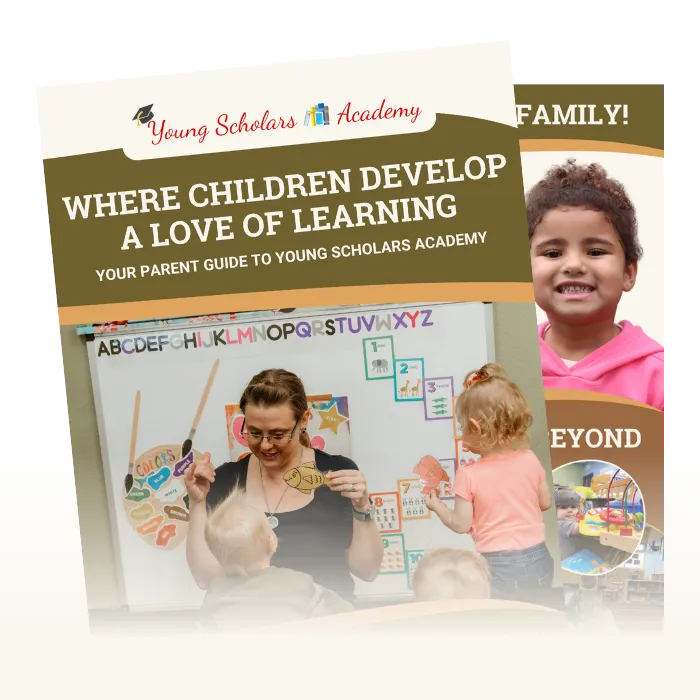
Find Out If Young Scholars Academy Is The Right Fit For Your Family
Get your Parent Pack and discover everything you need to know about our childcare programmes, daily experiences, and what makes our centre a trusted choice for families in Colorado Springs.
Building Skills For School, Relationships & Life
Building Skills For School, Relationships
& Life
Knowing letters and numbers matters. So does knowing how to handle frustration, make friends, communicate feelings and bounce back when things don't go to plan.
Children are supported to develop:
Confidence and independence
Emotional awareness
Communication skills
Positive friendships
Empathy and respect
Resilience and problem-solving
These are skills children can carry with them long after they leave the classroom.

Childcare For Every Stage Of Childhood
Supporting Children From Infancy Through School Age
Infant Care
Teething, first smiles and nap-schedule negotiations. We care for your baby with patience and consistency, supporting their earliest stages of development.
Toddler Care
We designed our Toddler Program environment, equipment and activities to further promote your toddlers cognitive, emotional and physical development.
Preschool Program
Big feelings, bigger opinions, and lots of "why?" Children build confidence, independence and friendships while exploring, creating and learning through meaningful experiences.
Pre-K Program
Our Pre-K program helps expand your child’s interests and skills. Our program encourages natural curiosity which includes self-directed and self-correcting material.
Before & After School Program
From homework help to friendship ups and downs, children have a place to unwind, feel heard, explore their interests and be themselves.
Infant Care
Teething, first smiles and nap-schedule negotiations. We care for your baby with patience and consistency, supporting their earliest stages of development.
Toddler Care
We designed our Toddler Program environment, equipment and activities to further promote your toddlers cognitive, emotional and physical development.
Preschool Program
Big feelings, bigger opinions, and lots of "why?" Children build confidence, independence and friendships while exploring, creating and learning through meaningful experiences.
Pre-K Program
Our Pre-K program helps expand your child’s interests and skills. Our program encourages natural curiosity which includes self-directed and self-correcting material.
Before & After School Program
From homework help to friendship ups and downs, children have a place to unwind, feel heard, explore their interests and be themselves.
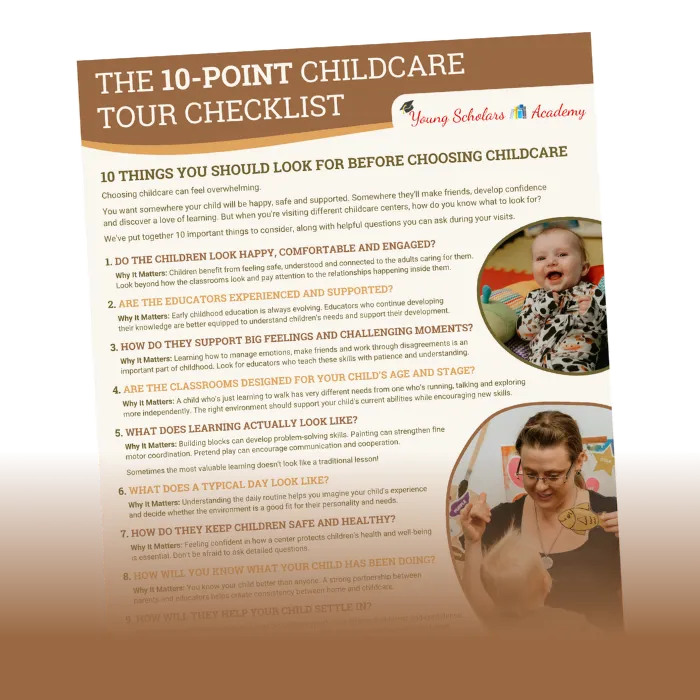
Download Our Checklist
We know how much care goes into finding the perfect learning environment for your child, and we want to help you get it right the first time! Our easy-to-use checklist gives parents a clear path through the decision-making process.
Helping Children Build Confidence Through Meaningful Learning
Our educational approach combines the Creative Curriculum, developmentally appropriate practice and NAEYC-aligned standards, with an intentional focus on social-emotional development.
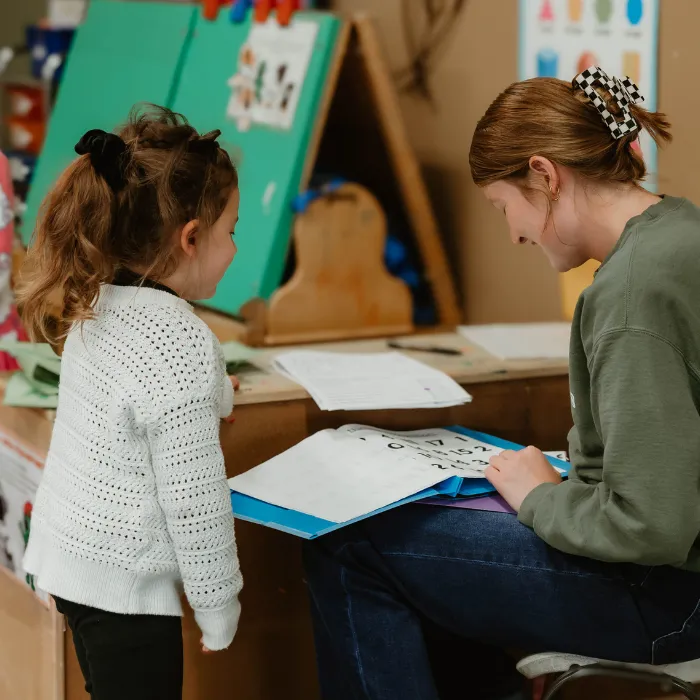
Language Lessons
From sign language with infants and toddlers to phonics and literacy with pre-K children, communication is supported at every stage.
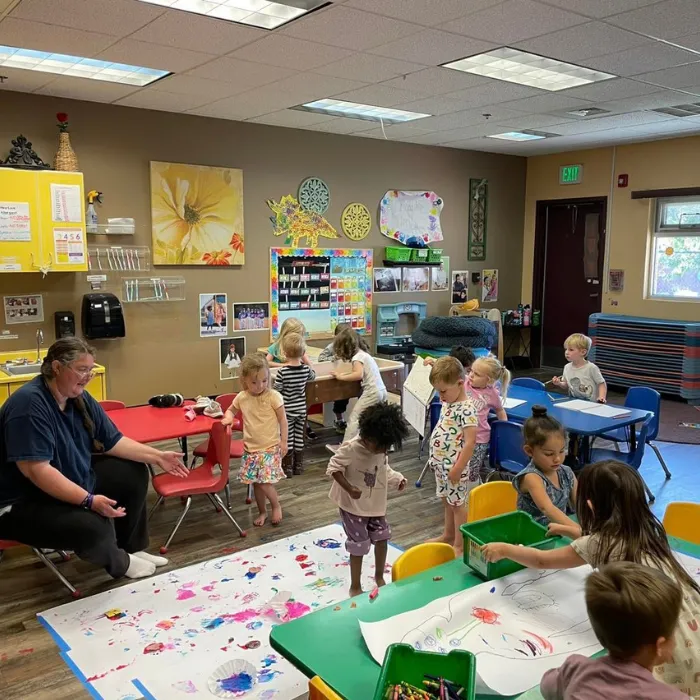
STEM Learning
Our themes allow educators to explore the ideas and questions children are genuinely curious about rather than following a rigid schedule of topics.
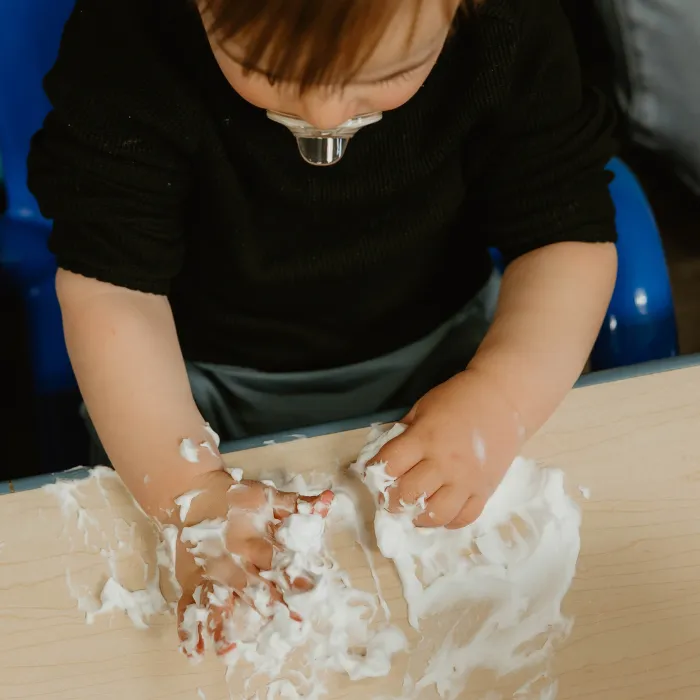
Weekly Themes
Experiments, hypotheses, curious questions, and sometimes a little mess are all part of the learning!
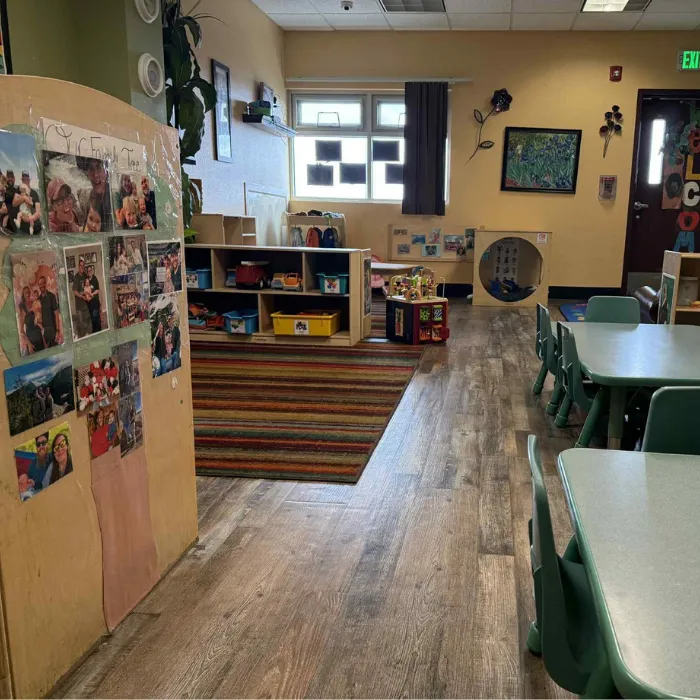
Developmentally Appropriate Classrooms
Our classrooms are designed around children's developmental stages, giving them opportunities to choose, explore and practice independence.
An Environment Designed For Everyday Discovery
Spaces That Support Learning, Comfort And Connection
From spaces where children can move, create and explore to practical touches that make parents' days easier, the Academy has been designed around both children and families.

3 Outdoor Playgrounds
(Infants/Toddlers, Preschool/PreK & School Age)

Music & Movement Room

Onsite Kitchen

Meals & Snacks Provided

Breastfeeding Room for Families
From creative activities to daily routines, our environment supports children as they learn and grow.
Teachers Who Don't Stop Learning When They Become Teachers
Built On Trust, Consistency And Quality Care
Many of our educators have been part of Young Scholars Academy for more than 10 years, giving children and families something incredibly valuable: consistency.
Alongside that experience, our team is proud to be NAEYC accredited and committed to continuous learning, collaboration and deepening their understanding of child development and social-emotional learning.
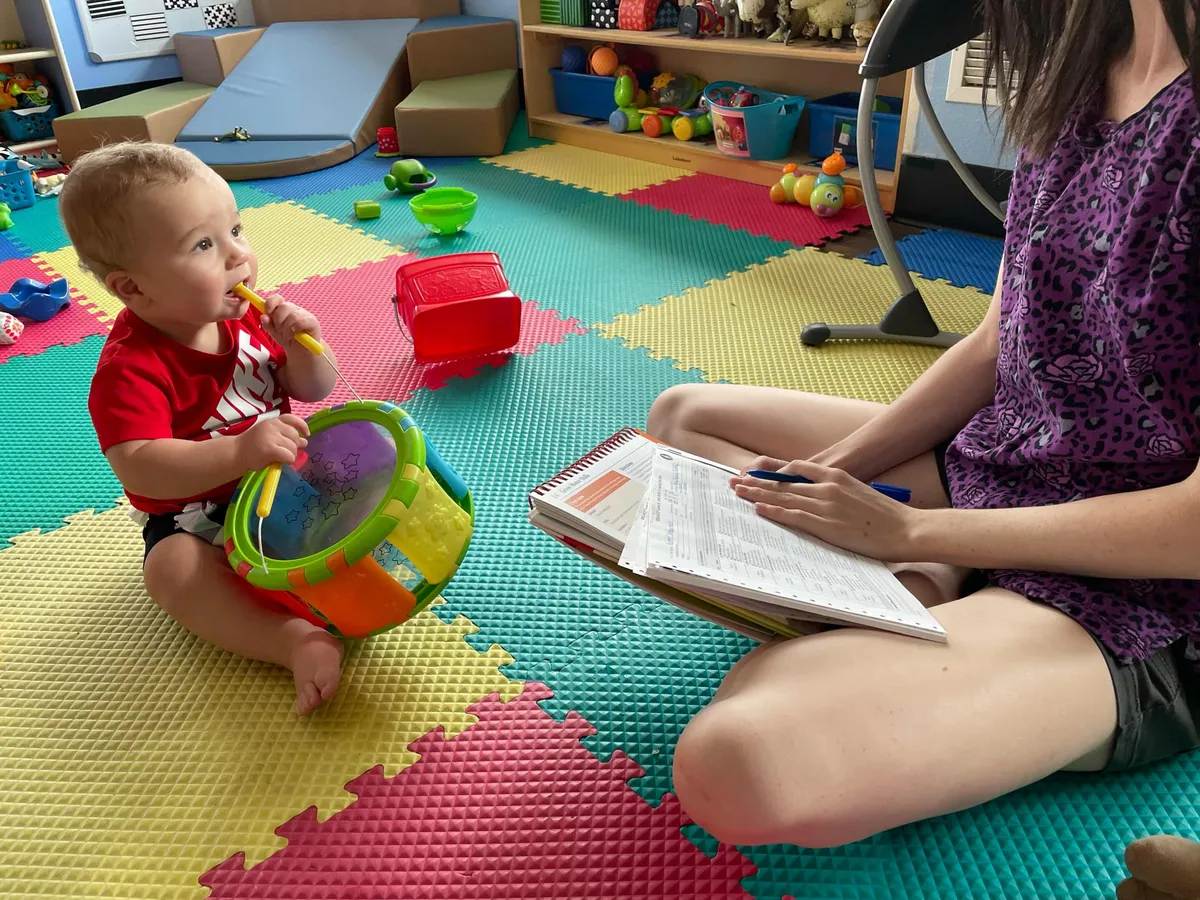
Discover What Learning Looks Like At Young Scholars Academy
The best way to understand our curriculum is to see it in action.
Come and meet our educators, explore our classrooms and discover how we're helping children develop a love of learning, one little breakthrough at a time.
What Families Are Saying About Our Academy
Choosing childcare is a big decision, so sometimes the most reassuring thing is hearing directly from families who have already made it.