[email protected]

Young Scholars Academy

Where Children Develop a Love of Learning

  • Home
  • About Us โ€“ Our Mission
    • Our Child Care Team
    • Team Leaders
    • Team Member of the Month!
  • Resources
    • Parent Resources
    • Additional Benefits
  • Contact Us
    • Careers at YSA
Location Icon  5815 Tutt Center Point - Colorado Springs, CO 80922
Phone Icon  (719) 522-9099
Book a Tour
  • Events & Updates
  • Programs
    • Infant Program
    • Toddler Program
    • Preschool
    • Prekindergarten
    • Junior Kindergarten
  • School Age Programs
    • Before and After School Program
    • Summer Camp
  • Enrichment Programs
    • Curriculum Ideas For Home | Young Scholars Academy
    • Art Projects
    • American Sign Language
    • Music & Fitness
  • Testimonials
    • Our Kids Speak!
  • Blog

How Structured Routines Improve Toddler Behavior in Daycare

May 20, 2026 by Young Scholars Academy Leave a Comment

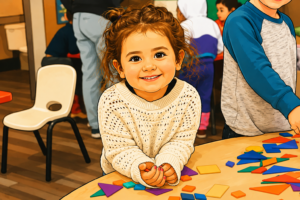
How structured routines improve toddler behavior in daycare begins with helping young children feel safe, secure, and prepared for what comes next. Toddlers thrive when their day includes predictable moments for learning, play, meals, rest, and transitions.ย 

These routines reduce uncertainty, support emotional regulation, and make it easier for children to follow expectations with confidence. In a nurturing childcare environment, structure does not limit a childโ€™s curiosity. Instead, it gives them the steady foundation they need to explore, build independence, and develop positive social habits with teachers and peers.

Toddler Daycare Routine Benefits for Daily Confidence

Toddler Daycare Routine Benefits

Toddlers feel more secure when their day follows a steady rhythm. In a daycare setting, consistent routines help children understand what to expect, how to participate, and how to move through each part of the day with greater confidence.

A Predictable Day Helps Toddlers Feel Secure

Young children are still developing emotional regulation and independence. When daily moments happen in a familiar order, such as arrival, playtime, meals, rest, and outdoor activities, toddlers begin to feel more comfortable in their environment. This predictability can ease separation from parents, reduce uncertainty, and help children trust the caregivers guiding them.

Simple Routines Build Independence

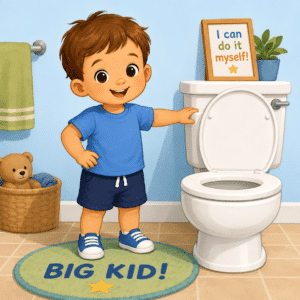
Daily routines give toddlers repeated opportunities to practice age-appropriate skills. Over time, small steps become familiar habits that support confidence and responsibility.

These may include:

  • Washing hands before meals
  • Cleaning up toys after play
  • Sitting with friends during snack time
  • Preparing for rest time
  • Following simple classroom directions

Each routine helps children feel capable because they begin to recognize what they can do on their own with gentle support.

Structure Supports Positive Behavior

A well-planned routine can also reduce challenging behaviors. When toddlers know what comes next, transitions feel less overwhelming, and expectations become easier to understand. Instead of relying only on correction, teachers can use the routine itself as a supportive guide.

At Young Scholars Academy, this kind of structure is paired with warmth, patience, and meaningful interaction. Children are encouraged to participate in ways that feel safe, respectful, and developmentally appropriate.

Confidence Grows Through Daily Repetition

The benefits of toddler routines build gradually. Each successful transition, completed task, and familiar classroom moment helps children feel more prepared for the next part of the day. With consistent guidance, toddlers gain the confidence to explore, connect with others, and develop a positive relationship with learning.

Managing Toddler Transitions in Daycare With Less Stress

Managing Toddler Transitions in Daycare

Transitions can be challenging for toddlers because they often involve stopping one activity, shifting attention, and preparing for something new. In a daycare setting, supportive transition routines help children move through the day with less stress and more confidence.

Clear Cues Help Children Prepare

Toddlers respond well when given simple, consistent signals before a change. A teacher may use a song, a visual cue, a gentle reminder, or a countdown to help children understand that one part of the day is ending and another is beginning. These cues make transitions feel more predictable instead of sudden.

Helpful transition cues may include:

  • A cleanup song before moving to the next activity
  • A visual schedule showing the dayโ€™s routine
  • A five-minute reminder before outdoor play ends
  • A familiar phrase used before meals or rest time

Gentle Guidance Reduces Resistance

Many toddler behaviors during transitions come from feeling rushed, confused, or emotionally attached to the current activity. When teachers guide children with patience, transitions become more manageable. A calm tone, simple instructions, and positive encouragement can help toddlers feel supported rather than pressured.

For example, instead of focusing only on stopping play, a teacher can help the child understand what comes next: โ€œFirst we clean up, then we wash our hands for lunch.โ€ This type of guidance gives toddlers a clear path forward.

Predictable Transitions Support Cooperation

When transitions happen the same way each day, toddlers begin to recognize the pattern. Over time, they may start preparing on their own, such as putting toys away, lining up, or gathering their belongings with less prompting.

A Calmer Day Supports Better Behavior

At Young Scholars Academy, routines are designed to help children feel safe, cared for, and ready for each part of the day. Thoughtful transitions support a more peaceful classroom environment where toddlers can focus on learning, playing, and building positive relationships.

Behavior Consistency in Early Childcare Builds Trust

Consistent behavior expectations help toddlers feel secure in their childcare environment. When children receive steady guidance from caring teachers, they begin to understand what is expected, how to respond, and how their choices affect the classroom community.

Clear Expectations Create Emotional Safety

Toddlers are still learning how to manage big feelings, share space with others, and follow simple directions. When expectations remain consistent, children are not left guessing what is acceptable from one moment to the next. This emotional safety helps reduce confusion and gives toddlers the confidence to participate more peacefully.

Consistent expectations may include:

  • Using gentle hands with friends
  • Taking turns during play
  • Sitting safely during meals
  • Cleaning up after activities
  • Listening when a teacher gives a direction

These repeated expectations become familiar over time, helping children develop self-control and awareness.

Teacher Responses Shape Positive Habits

Consistency does not mean every child is treated the same in every moment. It means teachers respond with the same calm, supportive approach while considering each childโ€™s age, needs, and development. A toddler who is struggling may need a reminder, a redirection, or help naming their feelings.

When teachers respond with patience instead of frustration, children learn that adults are dependable. This trust allows toddlers to accept guidance more easily and feel safe asking for help.

Routines Reinforce Better Choices

Behavior consistency works best when daily routines support it. Familiar classroom rhythms help toddlers understand when to listen, when to play, when to rest, and when to transition. As these patterns repeat, positive behaviors become easier to practice.

Trust Grows Through Steady Guidance

At Young Scholars Academy, consistent care is part of creating a nurturing learning environment. Through warm communication, predictable routines, and age-appropriate support, toddlers build trust with their teachers and feel more secure in the classroom. This foundation helps them develop confidence, cooperation, and a stronger sense of belonging.

How Structured Routines Support Social Development

Social development is an important part of a toddler’s growth, and structured routines provide children with daily opportunities to practice interacting with others. In a daycare setting, predictable group activities, shared responsibilities, and guided play help toddlers learn how to connect, communicate, and participate in a classroom community.

Group Routines Encourage Cooperation

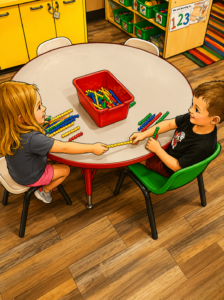
When toddlers take part in regular classroom activities, they begin to understand what it means to be part of a group. Circle time, cleanup, meals, and outdoor play all create natural moments for children to practice cooperation.

These routines help toddlers learn to:

  • Wait for a turn
  • Share materials with friends
  • Listen while others are speaking
  • Follow simple group directions
  • Participate in activities alongside peers

With consistent practice, these small social skills become more familiar and easier to use throughout the day.

Predictability Supports Peer Interaction

Toddlers often feel more comfortable engaging with others when the environment feels secure. A familiar routine reduces uncertainty, which can make children more open to playing, exploring, and communicating with classmates.

For example, when children know that outdoor play follows snack, they may begin to look forward to seeing friends on the playground. Repeated shared experiences help toddlers build early friendships and develop a sense of belonging.

Teacher Guidance Helps Children Build Social Skills

Teachers play an important role in helping toddlers understand social expectations. Through gentle modeling, reminders, and encouragement, children learn how to use kind words, respect personal space, and respond to others with care.

Daily Structure Builds a Caring Classroom Community

At Young Scholars Academy, routines are designed to support both learning and connection. Each predictable part of the day gives toddlers a chance to practice positive social behavior in a warm, nurturing environment. Over time, structured routines help children grow more confident in their relationships, become more aware of others, and become better prepared to participate in group learning experiences.

Conclusion

Structured routines do more than organize a daycare day. They help toddlers feel safe, supported, and confident as they learn to navigate daily activities, manage emotions, interact with others, and follow expectations. When routines are paired with patient guidance and warm teacher support, children begin to understand their environment and develop skills that support both behavior and learning.

To learn more about toddler care and early learning at Young Scholars Academy, call (719) 522-9099 or visit https://youngscholarsacademycolorado.com/contact-us/ to connect with their team.

Filed Under: Activities, Family Tips, Preschool Tagged With: Behavior Consistency in Early Childcare, How structured routines improve toddler behavior in daycare, Managing Toddler Transitions in Daycare, Toddler Daycare Routine Benefits

Teacher Burnout in Early Childhood Education: Why Supporting Educators Matters More Than Ever in 2026

May 11, 2026 by Jordan Leave a Comment

Teacher Burnout in Early Childhood Education: Why Supporting Educators Matters More Than Ever in 2026

In todayโ€™s world, conversations about burnout are everywhere โ€” but one group of professionals continues to carry an incredible emotional, mental, and physical workload that often goes unseen: early childhood educators.

At Young Scholars Academy, we believe that caring for children starts with caring for the people who guide, teach, encourage, and support them every single day.

As we move through 2026, teacher burnout in early childhood education has become more than just a staffing challenge โ€” itโ€™s become a conversation about sustainability, emotional wellness, and the future of quality childcare itself.


The Reality of Early Childhood Education

Working in a preschool classroom is deeply rewarding, but it is also incredibly demanding.

Early childhood educators are:

  • Managing emotional development
  • Supporting language growth
  • Teaching problem-solving skills
  • Navigating behaviors
  • Building trusting relationships with families
  • Maintaining safety and structure
  • Creating engaging learning environments
  • Helping children regulate emotions in real time

And they do all of this while giving children the patience, warmth, and consistency they need to thrive.

What many people donโ€™t see are the countless small moments throughout the day that require emotional energy:

  • comforting a child who misses their parent,
  • helping children work through conflict,
  • adapting to different developmental needs,
  • and showing up with positivity even on difficult days.

Why Burnout Is a Growing Concern in 2026

The childcare industry continues to face challenges nationwide:

  • staffing shortages,
  • rising operational costs,
  • increasing expectations,
  • and growing emotional demands placed on educators.

At the same time, families rely heavily on stable, high-quality childcare programs not only for education, but for support, consistency, and partnership.

In 2026, more schools and childcare centers are recognizing something important:

Healthy teachers create healthier learning environments.

Children are deeply impacted by the emotional climate around them. When educators feel supported, appreciated, and professionally valued, classrooms become more positive, nurturing, and connected.


Supporting Teachers Beyond Appreciation Week

Teacher appreciation matters โ€” but meaningful support has to go beyond one week a year.

Real support can look like:

  • Strong leadership and communication
  • Professional development opportunities
  • Mental health support
  • Team collaboration
  • Realistic expectations
  • Respect for work-life balance
  • Recognition for the emotional impact educators make

At Young Scholars Academy, we believe great educators deserve to feel empowered, respected, and supported in the important work they do.

Because when teachers thrive, children thrive too.


The Impact on Children

Young children learn through relationships.

They build confidence through encouragement.
They develop emotional security through consistency.
They discover a love of learning through positive interactions.

Thatโ€™s why investing in educators directly impacts the quality of care children receive.

Children deserve teachers who feel:

  • encouraged,
  • professionally supported,
  • emotionally healthy,
  • and excited about the work they do.

And educators deserve workplaces that recognize the enormous role they play in shaping the next generation.


Moving Forward Together

As conversations about mental health, burnout, and workplace culture continue evolving in 2026, the early childhood field has an opportunity to lead with compassion.

Supporting teachers is not just about retention.
Itโ€™s about protecting the heart of early childhood education itself.

At Young Scholars Academy, we remain committed to creating an environment where both children and educators can grow, learn, and thrive together.

Because behind every confident child is a teacher who made them feel safe, valued, and capable.

And that work matters more than words can fully express.

Filed Under: Activities, Family Tips

What Parents Should Understand About The Creative Curriculum Used In Early Childhood Education

March 15, 2026 by Young Scholars Academy Leave a Comment

What is creative curriculum in preschool

What is creative curriculum in preschool? It is a question many families ask as they begin exploring early childhood education options for their child. The Creative Curriculum is a widely used teaching approach that supports learning through hands-on experiences, purposeful play, and meaningful teacher guidance.ย 

Rather than focusing only on academics, it helps children grow across important areas such as language, social skills, problem-solving, movement, and confidence. For parents, understanding how this curriculum works can make it easier to recognize theย value of a preschool environmentย that encourages curiosity, independence, and age-appropriate development in a thoughtful, supportive setting.

Teaching Strategies Creative Curriculum Explained

Teaching Strategies Creative Curriculum Explained

The Creative Curriculum is a teaching framework designed to help young children learn through meaningful experiences, guided exploration, and intentional teacher support. Instead of relying solely on direct instruction, it focuses on howย children develop best through play, discovery, conversation, routines, and hands-on learning opportunities. This approach supports the whole child by building academic readiness alongside social, emotional, physical, and cognitive growth.

A Child-Centered Approach to Learning

At the heart of this model is the belief that children learn most effectively when they are actively involved in the learning process. Teachers create engaging experiences based on childrenโ€™s interests, developmental stages, and individual needs. This makes learning feel natural, purposeful, and relevant rather than forced or overly rigid.

Purposeful Play With Teacher Guidance

Play is an important part of the Creative Curriculum, but it is not unstructured time without direction. Teachers carefully plan activities, ask thoughtful questions, introduce new vocabulary, and guide children toward deeper understanding. For example, a block area can support counting, problem-solving, teamwork, and early engineering concepts simultaneously.

Learning Through Daily Experiences

Children are encouraged to grow through everyday classroom experiences such as:

  • circle time discussions
  • small group activities
  • dramatic play
  • art and sensory exploration
  • outdoor learning
  • read alouds and storytelling

Each part of the day is used as an opportunity to build skills in a supportive and engaging way.

Ongoing Observation and Individual Support

Another key part of the Creative Curriculum is observation. Teachers watch how children interact, solve problems, communicate, and respond to new tasks. These observations help educators adjust lessons, provide the right level of support, and celebrate each childโ€™s progress. This allows learning to remain flexible, responsive, and developmentally appropriate for every student.

How Creative Curriculum Works in Preschool Classrooms

How Creative Curriculum Works in Preschool Classrooms

In preschool classrooms, the Creative Curriculum combines structured planning with flexible, child-focused learning experiences. Teachers do not simply move children through a fixed set of lessons. Instead, they build the day aroundย clear developmental goalsย while also responding to childrenโ€™s interests, questions, and progress. This creates a classroom environment that feels engaging, supportive, and purposeful.

Organized Learning Through Interest Areas

A Creative Curriculum classroom is often arranged into interest areas that encourage different types of learning. These spaces help children explore independently and with guidance. Common areas may include:

  • blocks and building
  • dramatic play
  • reading and literacy
  • art and creativity
  • science and discovery
  • sensory exploration

Each area is designed to support hands-on learning while giving teachers opportunities to introduce concepts naturally.

Daily Routines With Intentional Purpose

The daily schedule plays an important role in how this curriculum works. Preschool teachers use routines such as arrival, circle time, small group learning, center time, outdoor play, meals, and transitions as opportunities to build skills. A simple activity can support multiple areas of development at once, including communication, cooperation, early math, and self-help abilities.

Teacher Planning and Responsive Instruction

Teachers use observations to plan activities that match childrenโ€™s developmental levels and classroom needs. If children show strong interest in gardens, weather, or community helpers, those topics may be woven into books, art projects, group discussions, and play experiences. This helps learning feel connected and meaningful.

Assessment That Supports Growth

The Creative Curriculum also includes ongoing assessment. Rather than depending only on formal testing, teachers document what children can do, how they interact, and where they may need support. This information helps educators adjust instruction, communicate with families, and create a classroom experience that supports steady, well-rounded growth.

Benefits of Creative Curriculum for Early Childhood Learning

Benefits of Creative Curriculum for Early Childhood Learning

The benefits of the Creative Curriculum for early childhood learning can be seen in its support for the full range of aย childโ€™s development. Rather than focusing on a single area, this approach helps children build academic foundations while also strengthening confidence, communication, independence, and social understanding. Because learning is active and meaningful, children are often more engaged in the classroom and more prepared to apply new skills in everyday situations.

Supports the Whole Child

One of the greatest strengths of this curriculum is its whole-child focus. Children are given opportunities to grow in several key areas at once, including:

  • language and early literacy
  • problem solving and critical thinking
  • social and emotional development
  • physical coordination
  • independence and self-regulation

This balanced approach helps children develop skills that support both school readiness and long-term success.

Encourages Active and Meaningful Learning

Young children learn best when they are involved in the process. The Creative Curriculum encourages children to ask questions, explore materials, make choices, and learn through experience. This kind of active participation can make lessons more memorable and developmentally appropriate. It also helps children build curiosity and a positive attitude toward learning.

Builds Confidence Through Individual Growth

Because teachers observe each child and respond to their needs, learning can be adjusted to provide the right level of challenge and support. Children are not expected to learn in the same way or at the same pace. This can lead to greater confidence, as children are given space to practice new skills, solve problems, and experience success in ways that feel achievable.

Strengthens School Readiness

The Creative Curriculum helps prepare children for future learning by building important early foundations in literacy, math, listening, routines, cooperation, and attention. At the same time, it nurtures creativity, independence, and emotional growth. Together, these benefits create a strong foundation for a positive, successful start in kindergarten and beyond.

Core Developmental Areas Supported by the Curriculum

A strong early childhood curriculum should do more than introduce basic academic concepts. It should also support the broader areas of growth that shape how children learn, relate to others, and build independence. The Creative Curriculum is designed with this full picture in mind, helpingย children develop across multiple domainsย in ways that are connected, age-appropriate, and meaningful in daily classroom life.

Language and Early Literacy Development

Children are supported in building communication skills through conversations, storytelling, songs, read-alouds, and print-rich classroom experiences. These opportunities help strengthen:

  • vocabulary growth
  • listening and comprehension
  • expressive language
  • early writing awareness
  • alphabet and sound recognition

These skills form an important foundation for later reading and writing success.

Social and Emotional Growth

Preschool is also a time when children learn to interact with others, manage emotions, and become part of a group. Through guided play, routines, and teacher support, children begin to practice sharing, taking turns, expressing feelings, and solving simple conflicts. They also build confidence as they learn to make choices and participate more independently.

Cognitive and Problem-Solving Skills

The curriculum encourages children to think, question, explore, and make connections. Activities involving sorting, counting, comparing, building, experimenting, and predicting help develop early cognitive skills. Rather than memorizing information in isolation, children are given opportunities to apply what they are learning through hands-on experiences that support reasoning and flexible thinking.

Physical Development and Independence

Young children also need support in building both fine motor and gross motor abilities. Classroom activities such as drawing, cutting, painting, climbing, dancing, and outdoor play help strengthen coordination and control. At the same time, children are encouraged to practice everyday tasks such as handwashing, cleaning up, serving themselves, and managing personal belongings. These experiences promote independence and help children feel capable in their daily routines.

Together, these developmental areas create a balanced foundation that supports readiness for kindergarten and continued growth beyond the preschool years.

Conclusion

Understanding the Creative Curriculum can help parents feel more confident when evaluating an early childhood education program. This approach is designed to support more than just academic readiness. It encourages children to grow through meaningful experiences that build communication, confidence, problem-solving skills, independence, and strong social development. When used thoughtfully in a preschool setting, it creates a balanced foundation for learning that respects how young children naturally explore and grow. For families, that means choosing a program that not only prepares children for kindergarten, but also supports their overall development in a warm, purposeful environment.

To learn more about Young Scholars Academy and connect with their team, callย (719) 522-9099ย or visitย https://youngscholarsacademycolorado.com/contact-us/.

Filed Under: Family Tips, Preschool Tagged With: Benefits of Creative Curriculum for Early Childhood Learning, How Creative Curriculum Works in Preschool Classrooms, Teaching Strategies Creative Curriculum Explained, What is creative curriculum in preschool

What Makes A High-Quality Private School? Key Factors Parents Should Evaluate

February 10, 2026 by Young Scholars Academy Leave a Comment

What Makes A High-Quality Private School What makes a high-quality private school is not always defined by prestige or tuition, but by the daily experience it creates for students and families. The strongest schools pair academic excellence with a supportive environment where children feel known, safe, and encouraged to grow. For parents, the best decision is based on clear indicators such as curriculum strength, teacher expertise, class size, communication practices, and the integration of character development into learning. When these elements align, a private school can offer consistent structure, meaningful relationships, and an educational approach that supports both achievement and confidence.

Private School Quality Indicators Parents Can Look For

Private School Quality Indicators A high-quality private school can clearly explain what it stands for and how that philosophy shows up in daily learning. Look for a mission that is more than a statement on a website. Strong schools connect their values to classroom routines, expectations for student conduct, and the ways teachers build curiosity, confidence, and respect.

Teacher Expertise And Instructional Consistency

Teacher quality is one of the most reliable indicators of school quality. Ask about credentials, years of experience, and ongoing training. Strong schools also support consistency across classrooms through shared lesson planning, clear academic expectations, and regular coaching. This helps students experience steady year-over-year growth rather than uneven instruction.

Classroom Environment And Class Size

A smaller class size can be valuable, but it matters most when it leads to meaningful attention and strong relationships. Observe whether teachers know students well, provide specific feedback, and adapt instruction when needed. A strong classroom environment is calm, well-organized, and intentionally designed for learning, not simply attractive.

Student Support And Whole Child Development

High-quality private schools invest in more than academics. They provide guidance for social-emotional development and use age-appropriate strategies to help children manage behavior, build independence, and develop healthy peer relationships. Ask how the school supports students who need extra help, whether academically or socially, and what the process looks like in practice.

Safety, Communication, And Family Partnership

Trust is built through clear processes and consistent communication. Look for:
  • Secure entry procedures and well-defined pick up and drop off routines
  • Health and safety policies that are clearly documented and followed
  • Timely parent communication with predictable updates
  • A partnership mindset that welcomes questions and feedback
When these private school quality indicators are strong, families typically notice a stable environment, confident learners, and a community that feels aligned with their goals.

How To Evaluate A Private School During Tours And Research

How To Evaluate A Private School A strong evaluation starts before the tour. Review the school’s website to understand its programs, age groups served, and educational approach. Then bring a short checklist to keep your visit focused. Helpful items to confirm include curriculum priorities, enrichment offerings, daily schedule, and how the school communicates with families.

The Right Questions To Ask Administrators And Teachers

During your visit, ask questions that reveal how the school operates day to day, not only how it presents itself. Consider asking:
  • How do teachers plan instruction and track student progress?
  • What does support look like when a child needs extra help?
  • How does the school partner with parents throughout the year?
  • What training do teachers receive to stay current and effective?
  • How are behavior expectations taught and reinforced?
The best answers are specific, consistent, and aligned with what you observe in the building.

What To Observe In Classrooms And Shared Spaces

Pay close attention to what learning looks like in real time. In high-quality classrooms, students are engaged, routines are calm, and teachers are actively guiding learning rather than simply supervising. Look for:
  • Warm teacher-to-student interactions and clear expectations
  • Meaningful student work displayed or in progress
  • Materials that support hands-on learning and independence
  • Clean, organized spaces that feel safe and purposeful
Shared spaces also matter. Hallways, restrooms, and common areas often reflect the school’s standards for care and supervision.

Communication Standards And Parent Partnership Practices

Ask how updates are shared, how quickly the school responds to parent questions, and what communication looks like when concerns come up. High-quality schools provide predictable updates, clear policies, and respectful two-way communication. You should also understand how conferences are handled and how progress is reported.

Policies For Behavior Support And Student Well-Being

Request an overview of behavior support and student well-being practices. Strong schools prioritize guidance, consistency, and age-appropriate expectations. They should be able to explain how they teach emotional regulation, resolve conflicts, and support children who need extra structure. When your questions, observations, and the school’s processes align, you can make a confident decision based on clear evidence rather than impressions alone.

Private School Academic Outcomes And What Drives Them

Private School Academic Outcomes Strong private school academic outcomes are built on a curriculum that follows a clear progression of skills from year to year. A high-quality school can explain what students should know and be able to do at each stage, and how lessons build toward those goals. Look for purposeful instruction in literacy, math, science, and social studies, along with opportunities for inquiry, discussion, and problem solving. When a curriculum is well structured, students gain both foundational skills and the ability to apply them with confidence.

Teacher Qualifications, Training, And Instructional Consistency

Curriculum alone does not create results. Outcomes improve when skilled teachers deliver instruction consistently and respond to student needs in real time. Ask about teacher qualifications and professional development, including how the school supports ongoing training. Strong schools also encourage collaboration through shared planning and coaching, which helps maintain expectations across classrooms and prevents learning gaps as students progress.

Assessment Practices And Academic Support Systems

Assessment should inform learning rather than create pressure. High-quality schools use a mix of observations, work samples, and age-appropriate assessments to monitor progress. More important than the testing itself is what happens next. Ask how results are used and how support is provided. Effective academic support often includes:
  • Small-group instruction for targeted skill building
  • Differentiation within the classroom
  • Timely intervention when a student falls behind
  • Clear communication with families about progress and goals
These systems help ensure students receive the support they need without losing momentum.

Enrichment, Specials, and Hands-On Learning Opportunities

Academic outcomes are also strengthened when students have meaningful enrichment that supports brain development and engagement. Programs such as art, music, physical education, language exposure, and STEAM experiences can deepen learning by encouraging creativity and critical thinking. Hands-on opportunities, including projects and collaborative work, often improve retention and motivation because students see a practical purpose behind what they are learning. When these factors work together, academic outcomes become more predictable and sustainable. Families often notice steady progress, stronger confidence with challenging tasks, and an environment where high expectations are balanced with the right support.

Practical Considerations That Affect Day-to-Day Experience

A school’s schedule shapes how manageable the year feels for your family. Review start and end times, holiday breaks, teacher workdays, and summer options. If your child may attend before- or aftercare, confirm availability and how the transitions will be handled. Program options also matter. Consider whether the school offers full- or part-day options, how many days per week are available for younger students, and whether enrichment or tutoring is offered on campus. Clear structure and dependable scheduling reduce stress and support consistent routines at home.

Tuition, Fees, And Overall Value

Tuition is only one part of the financial picture. Ask for a complete breakdown so there are no surprises later. Common costs can include materials, technology, uniforms, field trips, and activity fees. It is also helpful to understand:
  • Enrollment and re-enrollment timelines
  • Deposit requirements and refund policies
  • Payment plan options
  • Sibling discounts or tuition assistance, if offered
Value is about more than price. Strong value typically includes qualified teachers, well-maintained facilities, consistent communication, and a well-supported learning program.

Transportation, Meals, And Daily Logistics

Day-to-day logistics can influence a child’s experience as much as academics. Ask about drop-off and pick-up procedures, parking flow, and security expectations. If meals or snacks are provided, review nutrition guidelines, allergy policies, and the school’s approach to food restrictions. Families may also want clarity on what children need to bring each day, how personal items are stored, and how quickly the school communicates when something is missing or a change occurs.

Community Reputation, Reviews, And Family Feedback

Reputation should be evaluated thoughtfully. Online reviews are helpful, but they do not always tell the full story. Look for patterns in feedback rather than one-off complaints or praise. Strong signs include consistent comments about teacher stability, child happiness, safety, and communication. In addition, ask the school if you can speak with a current parent or attend a community event. Hearing how families describe their experience can confirm whether the school’s culture matches your expectations. When practical details are well managed, families typically feel supported, children transition smoothly, and the school day begins and ends with calm, predictable routines.

Conclusion

Choosing a private school is a meaningful decision, and the best choice is the one that fits your child’s needs and your family’s priorities. When you look closely at quality indicators, take a thoughtful approach during tours, and understand what drives strong academic outcomes, you can move forward with confidence. Practical details also matter, because a school’s schedule, communication practices, and daily routines shape your experience just as much as its programs. With careful research and clear questions, you can identify a learning environment where your child feels supported, challenged, and genuinely known. Ready to explore the right fit for your child? Call (719) 522-9099 or connect with our team here: https://youngscholarsacademycolorado.com/contact-us/.

Filed Under: Family Tips, Preschool Tagged With: How To Evaluate A Private School, Private School Academic Outcomes, Private School Quality Indicators, What Makes A High-Quality Private School

How To Choose The Right Private School In Colorado Before Enrollment

January 10, 2026 by Young Scholars Academy Leave a Comment

How to choose a private school in Colorado

How to choose a private school in Colorado is one of the most important decisions families can make before enrollment. The right school should feel like a strong match for your child’s learning style, academic needs, and overall development. As you begin comparing options, it helps to look beyond tuition and location and focus on what truly supports long-term success. 

Consider the school’s curriculum, classroom environment, teacher experience, safety practices, and communication with families. A quality private school will offer a balanced approach that builds confidence, curiosity, and readiness for the next stage of learning.

Private School Enrollment in Colorado: Start With Your Family’s Priorities

Private School Enrollment in Colorado

Choosing private school enrollment in Colorado becomes much easier when you begin with a clear understanding of what your child needs most. Every student learns differently, and the right school should support academic growth while also helping your child feel secure, encouraged, and motivated each day. Before comparing programs, take time to define what matters most to your family so your decision is based on long-term fit rather than convenience.

Identify Your Child’s Learning and Development Needs

Start by thinking about how your child learns best. Some children thrive in structured environments with consistent routines, while others benefit from a more hands-on approach that encourages exploration and movement. Consider your child’s attention span, confidence in social settings, and readiness for academic expectations. If your child needs additional support, ask yourself what type of guidance would make them feel successful without added pressure.

Define Your Family’s Non-Negotiables

Private school choices often involve practical factors that directly affect daily life. These details can quickly narrow your list and help you focus on schools that truly work for your routine.

Key factors to consider include:

  • Location and commute time
  • Hours of operation and schedule flexibility
  • Tuition range and what is included
  • Communication tools and parent updates
  • Policies for illness, safety, and attendance

Clarify What Success Looks Like for Your Child

It is helpful to picture what a successful year would look like. This might include stronger independence, improved social skills, greater confidence in learning, or a smooth transition into the next grade level. When you can define the outcome you want, you can better evaluate whether a school’s approach aligns with your goals.

Create a Shortlist Before Touring

Once your priorities are clear, choose a small group of schools that match your criteria. Review their program descriptions, age group offerings, and teaching philosophy. As you prepare to tour, write down the top questions you want answered. A focused shortlist will help you compare schools objectively and make an enrollment decision with clarity and confidence.

What to Look for in a Private School: Academics, Culture, and Daily Support

What to Look for in a Private School

When evaluating what to look for in a private school, it helps to focus on the whole experience your child will have each day, not only the academic program. A strong school should provide quality instruction, a supportive classroom environment, and consistent routines that help students feel confident and capable. As you compare options, look for clear evidence that the school values both achievement and healthy development.

Academics That Build Skills and Confidence

A strong private school program should be structured, engaging, and aligned with age-appropriate expectations. Ask how lessons are taught and how progress is monitored throughout the year. High-quality schools often use a balance of instruction, hands-on learning, and meaningful practice to help students absorb concepts effectively. It is also essential to learn how the school supports different learning needs, including students who need enrichment or additional guidance.

Look for academic indicators such as:

  • Clear curriculum goals by age or grade
  • Consistent assessment and progress updates
  • Small group learning or individualized support
  • Focus on critical thinking and problem-solving

A Positive School Culture That Supports Growth

School culture directly impacts how children behave, communicate, and build relationships. During tours, pay attention to how teachers speak to students, how conflict is handled, and whether children seem engaged and comfortable. A healthy culture encourages respect, independence, and responsibility without relying on harsh discipline. It should feel structured, calm, and emotionally safe.

Questions to ask include:

  • How does the school guide behavior and classroom expectations?
  • What values are reinforced in daily routines?
  • How does the school support social-emotional development?

Daily Support That Keeps Families Informed

Strong daily support includes reliable communication, consistent scheduling, and clear procedures that help families feel connected. Ask what systems are used for updates, photos, progress notes, and reminders. You should also understand how the school responds to parent questions and how concerns are handled if challenges arise.

Helpful support features often include:

  • Daily or weekly parent updates
  • Easy access to leadership and teachers
  • Clear health and safety policies
  • Smooth drop-off, pick-up, and transition routines

A private school that excels in academics, culture, and daily support creates an environment where children feel prepared to learn, and families feel confident in their choice.

Finding the Best Private School for Enrollment Near Me: Tour With the Right Questions

Best Private School for Enrollment Near Me

When families search for the best private school near me for enrollment, the next step should always be a meaningful tour. A school’s website can explain programs and values, but a tour helps you understand how the environment feels in real time. The goal is to walk away knowing whether your child will be supported academically, socially, and emotionally in that setting. Touring with prepared questions also helps you compare schools more confidently and avoid making decisions based solely on first impressions.

Observe the Environment and Classroom Engagement

As you walk through the school, look for signs of structure, warmth, and active learning. Children should appear engaged, supported, and appropriately challenged. Notice whether classrooms feel organized and calm, and pay attention to how teachers guide transitions, redirect behavior, and encourage participation. A strong learning environment often includes hands-on activities, clear routines, and consistent teacher presence.

Key details to observe:

  • Classroom layout and learning materials
  • Teacher-to-student interaction and tone
  • Cleanliness and general organization
  • How children transition between activities

Ask Questions That Reveal Real Daily Operations

A tour should give you more than a general overview. The right questions help you understand how the school operates on a normal day, not just during enrollment season. Ask about class size, staffing consistency, and how the school measures progress. You should also ask how the school supports students when they struggle academically or socially, and what happens when a child needs additional guidance.

Consider asking:

  • How do teachers track learning progress throughout the year?
  • What support is available for different learning needs?
  • How does the school handle behavior and conflict resolution?
  • What does a typical day look like for this age group?

Confirm Safety, Communication, and Policies

Families should feel confident about safety procedures and daily communication. Ask about building access, supervision, emergency preparedness, and health protocols. It is also essential to understand how information is shared with parents, including updates, conferences, and any classroom reporting tools. Clear policies reflect an organized school and reduce uncertainty for families.

Important topics to cover:

  • Secure entry and check-in procedures
  • Illness guidelines and attendance expectations
  • Parent communication systems and response time
  • Drop-off and pick-up supervision

A thoughtful tour lets you evaluate both the classroom experience and the systems that support it, helping you select a school that supports your child and earns your trust.

Review Safety Policies, Classroom Management, and Daily Procedures

Safety, consistency, and daily structure are some of the most important factors in a private school setting. Even the strongest curriculum can fall short if a school lacks reliable procedures for supervision, behavior guidance, and classroom routines. When reviewing options, take time to understand how the school protects students, maintains a positive learning environment, and runs daily operations that support both children and families.

Safety Policies That Build Real Peace of Mind

A quality private school should have clear safety systems that are followed every day, not only listed on paper. Ask about secure entry procedures, visitor policies, and how the school manages supervision across classrooms, hallways, outdoor areas, and transitions. It is also vital to understand emergency planning and staff training. Strong safety practices reduce risk while helping children feel calm and protected throughout the day.

Look for safety features such as:

  • Controlled building access and authorized pick-up procedures
  • Supervised drop-off, pick-up, and classroom transitions
  • Emergency plans for weather, drills, and unexpected situations
  • Staff training in safety procedures and basic first response

Classroom Management That Supports Growth and Respect

Effective classroom management should create structure without creating fear. Ask how teachers guide behavior, redirect students, and support emotional regulation. The best schools use consistent expectations across classrooms, so children understand what is expected and feel secure in the routine. You should also ask how the school handles repeated behavior concerns and how they work with families to support improvement.

Positive classroom management often includes:

  • Clear classroom rules and consistent daily routines
  • Age-appropriate guidance and redirection
  • Focus on problem-solving, communication, and self-control
  • Parent collaboration when concerns arise

Daily Procedures That Keep Learning Organized

Daily procedures shape how smoothly children move through the day and how much time is spent learning rather than correcting confusion. Ask what a typical schedule looks like, how activities are structured, and how the school supports students during key routines such as meals, rest periods, hygiene, and transitions. Strong procedures help children build independence while keeping the day predictable and calm.

Helpful daily procedures include:

  • Consistent schedule that balances learning, play, and movement
  • Organized classroom materials and defined learning centers
  • Clear routines for meals, rest, and personal care
  • Communication tools for updates, reminders, and classroom notes

When safety, classroom management, and daily procedures are handled well, children can focus on learning and relationships, and families can feel confident in the environment they are choosing.

Conclusion

Choosing the right private school in Colorado is an important decision, and the best choice is one that supports your child academically while also providing a safe, consistent, and nurturing environment. By starting with your family’s priorities, evaluating the school’s culture and daily structure, and touring with the right questions, you can make a confident enrollment decision based on what truly matters. A strong private school will offer more than a classroom experience. It will provide meaningful guidance, trusted routines, and a learning community where your child can grow with confidence.

Ready to take the next step? Contact Young Scholars Academy to schedule a tour and learn more about enrollment by visiting https://youngscholarsacademycolorado.com/contact-us/ or calling (719) 522-9099.

Filed Under: Family Tips, Preschool, Programs & Curriculum Tagged With: Best Private School for Enrollment Near Me, How to choose a private school in Colorado, Private School Enrollment in Colorado, What to Look for in a Private School

  • 1
  • 2
  • 3
  • …
  • 39
  • Next Page »

CHECK AVAILABILITY

Photo of Best Childcare School

Young Scholars Academy
5815 Tutt Center Point
Colorado Springs, CO 80922
(719) 626-9650
Mon - Fri 6:00am - 6:00pm

DRIVING DIRECTIONS

Follow Us

Summer Camp Signup!
Programs
Review Us Online

Categories

  • Activities
  • After School
  • Art Projects
  • Calendar
  • Events
  • Family Tips
  • General Updates
  • Health & Wellness
  • Holidays
  • Newsletters
  • Pre-Kindergarten
  • Preschool
  • Programs & Curriculum
  • Email Login
  • Disclosures
  • Site Map
  • No Joke Childcare
  • Admin Login
  • Contact Us
  • Updates Simplified

5815 Tutt Center Point Colorado Springs, CO 80922, (719)522-9099

Copyright 2026 Young Scholars Academy All Rights Reserved.

Email Login| Site Map| No Joke Marketing For Childcare| Contact Us| Updates Simplified