[email protected]

Young Scholars Academy

Where Children Develop a Love of Learning

  • Home
  • About Us – Our Mission
    • Our Child Care Team
    • Team Leaders
    • Team Member of the Month!
  • Resources
    • Parent Resources
    • Additional Benefits
  • Contact Us
    • Careers at YSA
Location Icon  5815 Tutt Center Point - Colorado Springs, CO 80922
Phone Icon  (719) 522-9099
Book a Tour
  • Events & Updates
  • Programs
    • Infant Program
    • Toddler Program
    • Preschool
    • Prekindergarten
    • Junior Kindergarten
  • School Age Programs
    • Before and After School Program
    • Summer Camp
  • Enrichment Programs
    • Curriculum Ideas For Home | Young Scholars Academy
    • Art Projects
    • American Sign Language
    • Music & Fitness
  • Testimonials
    • Our Kids Speak!
  • Blog

How Structured Routines Improve Toddler Behavior in Daycare

May 20, 2026 by Young Scholars Academy Leave a Comment

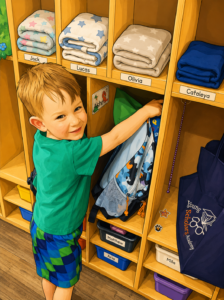
How structured routines improve toddler behavior in daycare begins with helping young children feel safe, secure, and prepared for what comes next. Toddlers thrive when their day includes predictable moments for learning, play, meals, rest, and transitions. 

These routines reduce uncertainty, support emotional regulation, and make it easier for children to follow expectations with confidence. In a nurturing childcare environment, structure does not limit a child’s curiosity. Instead, it gives them the steady foundation they need to explore, build independence, and develop positive social habits with teachers and peers.

Toddler Daycare Routine Benefits for Daily Confidence

Toddler Daycare Routine Benefits

Toddlers feel more secure when their day follows a steady rhythm. In a daycare setting, consistent routines help children understand what to expect, how to participate, and how to move through each part of the day with greater confidence.

A Predictable Day Helps Toddlers Feel Secure

Young children are still developing emotional regulation and independence. When daily moments happen in a familiar order, such as arrival, playtime, meals, rest, and outdoor activities, toddlers begin to feel more comfortable in their environment. This predictability can ease separation from parents, reduce uncertainty, and help children trust the caregivers guiding them.

Simple Routines Build Independence

Daily routines give toddlers repeated opportunities to practice age-appropriate skills. Over time, small steps become familiar habits that support confidence and responsibility.

These may include:

  • Washing hands before meals
  • Cleaning up toys after play
  • Sitting with friends during snack time
  • Preparing for rest time
  • Following simple classroom directions

Each routine helps children feel capable because they begin to recognize what they can do on their own with gentle support.

Structure Supports Positive Behavior

A well-planned routine can also reduce challenging behaviors. When toddlers know what comes next, transitions feel less overwhelming, and expectations become easier to understand. Instead of relying only on correction, teachers can use the routine itself as a supportive guide.

At Young Scholars Academy, this kind of structure is paired with warmth, patience, and meaningful interaction. Children are encouraged to participate in ways that feel safe, respectful, and developmentally appropriate.

Confidence Grows Through Daily Repetition

The benefits of toddler routines build gradually. Each successful transition, completed task, and familiar classroom moment helps children feel more prepared for the next part of the day. With consistent guidance, toddlers gain the confidence to explore, connect with others, and develop a positive relationship with learning.

Managing Toddler Transitions in Daycare With Less Stress

Managing Toddler Transitions in Daycare

Transitions can be challenging for toddlers because they often involve stopping one activity, shifting attention, and preparing for something new. In a daycare setting, supportive transition routines help children move through the day with less stress and more confidence.

Clear Cues Help Children Prepare

Toddlers respond well when given simple, consistent signals before a change. A teacher may use a song, a visual cue, a gentle reminder, or a countdown to help children understand that one part of the day is ending and another is beginning. These cues make transitions feel more predictable instead of sudden.

Helpful transition cues may include:

  • A cleanup song before moving to the next activity
  • A visual schedule showing the day’s routine
  • A five-minute reminder before outdoor play ends
  • A familiar phrase used before meals or rest time

Gentle Guidance Reduces Resistance

Many toddler behaviors during transitions come from feeling rushed, confused, or emotionally attached to the current activity. When teachers guide children with patience, transitions become more manageable. A calm tone, simple instructions, and positive encouragement can help toddlers feel supported rather than pressured.

For example, instead of focusing only on stopping play, a teacher can help the child understand what comes next: “First we clean up, then we wash our hands for lunch.” This type of guidance gives toddlers a clear path forward.

Predictable Transitions Support Cooperation

When transitions happen the same way each day, toddlers begin to recognize the pattern. Over time, they may start preparing on their own, such as putting toys away, lining up, or gathering their belongings with less prompting.

A Calmer Day Supports Better Behavior

At Young Scholars Academy, routines are designed to help children feel safe, cared for, and ready for each part of the day. Thoughtful transitions support a more peaceful classroom environment where toddlers can focus on learning, playing, and building positive relationships.

Behavior Consistency in Early Childcare Builds Trust

Consistent behavior expectations help toddlers feel secure in their childcare environment. When children receive steady guidance from caring teachers, they begin to understand what is expected, how to respond, and how their choices affect the classroom community.

Clear Expectations Create Emotional Safety

Toddlers are still learning how to manage big feelings, share space with others, and follow simple directions. When expectations remain consistent, children are not left guessing what is acceptable from one moment to the next. This emotional safety helps reduce confusion and gives toddlers the confidence to participate more peacefully.

Consistent expectations may include:

  • Using gentle hands with friends
  • Taking turns during play
  • Sitting safely during meals
  • Cleaning up after activities
  • Listening when a teacher gives a direction

These repeated expectations become familiar over time, helping children develop self-control and awareness.

Teacher Responses Shape Positive Habits

Consistency does not mean every child is treated the same in every moment. It means teachers respond with the same calm, supportive approach while considering each child’s age, needs, and development. A toddler who is struggling may need a reminder, a redirection, or help naming their feelings.

When teachers respond with patience instead of frustration, children learn that adults are dependable. This trust allows toddlers to accept guidance more easily and feel safe asking for help.

Routines Reinforce Better Choices

Behavior consistency works best when daily routines support it. Familiar classroom rhythms help toddlers understand when to listen, when to play, when to rest, and when to transition. As these patterns repeat, positive behaviors become easier to practice.

Trust Grows Through Steady Guidance

At Young Scholars Academy, consistent care is part of creating a nurturing learning environment. Through warm communication, predictable routines, and age-appropriate support, toddlers build trust with their teachers and feel more secure in the classroom. This foundation helps them develop confidence, cooperation, and a stronger sense of belonging.

How Structured Routines Support Social Development

Social development is an important part of a toddler’s growth, and structured routines provide children with daily opportunities to practice interacting with others. In a daycare setting, predictable group activities, shared responsibilities, and guided play help toddlers learn how to connect, communicate, and participate in a classroom community.

Group Routines Encourage Cooperation

When toddlers take part in regular classroom activities, they begin to understand what it means to be part of a group. Circle time, cleanup, meals, and outdoor play all create natural moments for children to practice cooperation.

These routines help toddlers learn to:

  • Wait for a turn
  • Share materials with friends
  • Listen while others are speaking
  • Follow simple group directions
  • Participate in activities alongside peers

With consistent practice, these small social skills become more familiar and easier to use throughout the day.

Predictability Supports Peer Interaction

Toddlers often feel more comfortable engaging with others when the environment feels secure. A familiar routine reduces uncertainty, which can make children more open to playing, exploring, and communicating with classmates.

For example, when children know that outdoor play follows snack, they may begin to look forward to seeing friends on the playground. Repeated shared experiences help toddlers build early friendships and develop a sense of belonging.

Teacher Guidance Helps Children Build Social Skills

Teachers play an important role in helping toddlers understand social expectations. Through gentle modeling, reminders, and encouragement, children learn how to use kind words, respect personal space, and respond to others with care.

Daily Structure Builds a Caring Classroom Community

At Young Scholars Academy, routines are designed to support both learning and connection. Each predictable part of the day gives toddlers a chance to practice positive social behavior in a warm, nurturing environment. Over time, structured routines help children grow more confident in their relationships, become more aware of others, and become better prepared to participate in group learning experiences.

Conclusion

Structured routines do more than organize a daycare day. They help toddlers feel safe, supported, and confident as they learn to navigate daily activities, manage emotions, interact with others, and follow expectations. When routines are paired with patient guidance and warm teacher support, children begin to understand their environment and develop skills that support both behavior and learning.

To learn more about toddler care and early learning at Young Scholars Academy, call (719) 522-9099 or visit https://youngscholarsacademycolorado.com/contact-us/ to connect with their team.

Filed Under: Activities, Family Tips, Preschool Tagged With: Behavior Consistency in Early Childcare, How structured routines improve toddler behavior in daycare, Managing Toddler Transitions in Daycare, Toddler Daycare Routine Benefits

Teacher Burnout in Early Childhood Education: Why Supporting Educators Matters More Than Ever in 2026

May 11, 2026 by Jordan Leave a Comment

Teacher Burnout in Early Childhood Education: Why Supporting Educators Matters More Than Ever in 2026

In today’s world, conversations about burnout are everywhere — but one group of professionals continues to carry an incredible emotional, mental, and physical workload that often goes unseen: early childhood educators.

At Young Scholars Academy, we believe that caring for children starts with caring for the people who guide, teach, encourage, and support them every single day.

As we move through 2026, teacher burnout in early childhood education has become more than just a staffing challenge — it’s become a conversation about sustainability, emotional wellness, and the future of quality childcare itself.


The Reality of Early Childhood Education

Working in a preschool classroom is deeply rewarding, but it is also incredibly demanding.

Early childhood educators are:

  • Managing emotional development
  • Supporting language growth
  • Teaching problem-solving skills
  • Navigating behaviors
  • Building trusting relationships with families
  • Maintaining safety and structure
  • Creating engaging learning environments
  • Helping children regulate emotions in real time

And they do all of this while giving children the patience, warmth, and consistency they need to thrive.

What many people don’t see are the countless small moments throughout the day that require emotional energy:

  • comforting a child who misses their parent,
  • helping children work through conflict,
  • adapting to different developmental needs,
  • and showing up with positivity even on difficult days.

Why Burnout Is a Growing Concern in 2026

The childcare industry continues to face challenges nationwide:

  • staffing shortages,
  • rising operational costs,
  • increasing expectations,
  • and growing emotional demands placed on educators.

At the same time, families rely heavily on stable, high-quality childcare programs not only for education, but for support, consistency, and partnership.

In 2026, more schools and childcare centers are recognizing something important:

Healthy teachers create healthier learning environments.

Children are deeply impacted by the emotional climate around them. When educators feel supported, appreciated, and professionally valued, classrooms become more positive, nurturing, and connected.


Supporting Teachers Beyond Appreciation Week

Teacher appreciation matters — but meaningful support has to go beyond one week a year.

Real support can look like:

  • Strong leadership and communication
  • Professional development opportunities
  • Mental health support
  • Team collaboration
  • Realistic expectations
  • Respect for work-life balance
  • Recognition for the emotional impact educators make

At Young Scholars Academy, we believe great educators deserve to feel empowered, respected, and supported in the important work they do.

Because when teachers thrive, children thrive too.


The Impact on Children

Young children learn through relationships.

They build confidence through encouragement.
They develop emotional security through consistency.
They discover a love of learning through positive interactions.

That’s why investing in educators directly impacts the quality of care children receive.

Children deserve teachers who feel:

  • encouraged,
  • professionally supported,
  • emotionally healthy,
  • and excited about the work they do.

And educators deserve workplaces that recognize the enormous role they play in shaping the next generation.


Moving Forward Together

As conversations about mental health, burnout, and workplace culture continue evolving in 2026, the early childhood field has an opportunity to lead with compassion.

Supporting teachers is not just about retention.
It’s about protecting the heart of early childhood education itself.

At Young Scholars Academy, we remain committed to creating an environment where both children and educators can grow, learn, and thrive together.

Because behind every confident child is a teacher who made them feel safe, valued, and capable.

And that work matters more than words can fully express.

Filed Under: Activities, Family Tips

Tour Checklist: What To Look For On A Preschool Visit In Colorado Springs

October 3, 2025 by Young Scholars Academy Leave a Comment

best preschool tour checklist in Colorado SpringsThe best preschool tour checklist in Colorado Springs helps families confidently evaluate quality, safety, and developmental fit. During a visit, observe secure entry procedures, cleanliness, and well-maintained classrooms. Review teacher qualifications, staff-to-child ratios, and evidence of warm, responsive interactions. Ask about curriculum goals, daily schedules, and how play, literacy, math, and science are integrated with social-emotional learning. 

Note outdoor spaces, gross-motor opportunities, and materials that support exploration. Confirm licensing, accreditation, health policies, and allergy and medication procedures. Learn how the school communicates with families, supports diverse learners, and tracks progress. Align these findings with your child’s needs and your family’s priorities.

Preschool Visit Questions for Parents: Admissions, Philosophy, and Daily Routine

preschool visit questions for parents

A focused set of preschool visit questions helps families evaluate fit, safety, and developmental alignment. Use the guide below to confirm how enrollment works, teaching supports growth, and the daily flow promotes engagement and calm.

Admissions and Enrollment Policies

Clarify timelines, availability, and requirements, then verify how communication and documentation are handled. Request transparent tuition details and confirm schedule options that match family needs.

Ask:

  • Application window, age cutoffs, and start-date flexibility
  • Waitlist priorities, update frequency, and placement process
  • Tuition, deposits, refunds, and financial assistance
  • Required records (immunizations, forms, residency) and deadlines

Educational Philosophy and Learning Approach

Ensure the philosophy connects play-based learning with literacy, math, science, arts, and social-emotional growth. Confirm how teachers differentiate instruction and document progress.

Ask:

  • Curriculum framework and yearlong scope and sequence
  • Examples of child-led inquiry and teacher-guided lessons
  • Assessment tools (portfolios, checklists, observations) and frequency
  • Family conferences, progress reports, and goal setting

Daily Routine, Transitions, and Classroom Flow

Predictable routines support security and attention while allowing flexible responses to children’s needs. Review a sample schedule and observe transitions, movement, and outdoor play.

Ask:

  • Balance of whole-group, small-group, and individual learning
  • Visual schedules, transition cues, and calm-down spaces
  • Snack, meal, and nap procedures and hygiene practices
  • Integration of movement, music, and outdoor time

Staffing, Ratios, and Family Communication

Qualified, consistent staffing underpins safety and learning. Verify ratios, credentials, professional development, and understand how the school partners with families.

Ask:

  • Staff-to-child ratios, class sizes, and room coverage
  • Teacher education, training in behavior guidance, and onboarding
  • Background checks, supervision policies, and substitute plans
  • Daily updates, messaging platforms, conferences, and monthly newsletters

Document answers, compare them across schools, and prioritize alignment with your child’s temperament, interests, and support needs. Use your observations to confirm that stated policies match daily practice.

What to Inspect on a Preschool Facility: Safety, Cleanliness, and Maintenance

what to inspect on preschool facility

A careful walk-through reveals how well a preschool safeguards children’s health and supports daily learning. Use the points below to verify that safety, hygiene, and upkeep are consistent in every area you tour.

Entry Security and Emergency Readiness

Confirm that building access and crisis procedures are clear and consistently enforced.

Inspect:

  • Controlled entry: secure doors, visitor sign-in, ID checks
  • Supervision: sightlines from office to entrance, staff coverage at peak times
  • Safety plans: posted evacuation routes, drill logs, first-aid kits, AED availability
  • Incident documentation: injury and illness logs, parent notification procedures

Classroom Hygiene and Organization

Clean, orderly rooms reduce illness and promote focus.

Inspect:

  • Cleanliness: wiped surfaces, sanitized toys, labeled bins for soiled items
  • Organization: labeled shelves, uncluttered floors, safe storage of chemicals
  • Ventilation and lighting: fresh air movement, natural light, comfortable temperatures
  • Maintenance: intact flooring, stable furniture, no peeling paint or tripping hazards

Restrooms, Diapering, and Handwashing

Hygiene routines should be visible and easy for children to follow.

Inspect:

  • Facilities: child-height sinks and toilets, stocked soap, and paper towels
  • Diapering: designated station with sanitizer, disposable liners, and covered trash
  • Procedures: posted handwashing steps, staff glove use, and cleaning schedules
  • Odor and moisture control: dry floors, prompt cleanup of spills

Food Areas and Allergen Controls

Meal spaces must meet sanitation standards and protect children with allergies.

Inspect:

  • Surfaces: sanitized tables before and after meals, separate food prep area
  • Storage: labeled containers, proper refrigeration, temperature logs if applicable
  • Allergen safety: posted allergy lists, clear serving protocols, separate utensils
  • Pest prevention: sealed containers, routine inspections, no evidence of pests

Outdoor Playgrounds and Building Systems

Safe play and reliable systems support daily operations.

Inspect:

  • Playground: resilient surfacing, secure fencing, age-appropriate equipment, shade
  • Checks: equipment inspection logs, repaired wear points, clear fall zones
  • Systems: functioning HVAC, carbon monoxide, and smoke detectors with test records
  • Housekeeping: tidy maintenance closets, accessible fire extinguishers, clutter-free exits

Use your notes to compare facilities and confirm that written policies align with daily practice. Consistent cleanliness, proactive maintenance, and visible safety routines indicate reliable care.

Choosing Preschool Classroom Observation Tips: Interactions, Engagement, and Materials

choosing preschool classroom observation tips

Brief, focused observation reveals how a classroom supports secure relationships, active learning, and safe exploration. Use the points below to assess daily practice and alignment with your child’s needs.

Teacher–Child Interactions

Warm, responsive interactions foster trust and learning.

Observe:

  • Teachers at children’s eye level, using calm, specific language.
  • Prompt comfort and coaching during conflicts or frustration.
  • Open-ended questions that invite thinking and vocabulary growth.
  • Balanced attention across the group, including quieter children.

Student Engagement and Peer Collaboration

Sustained attention signals effective instruction and routines.

Observe:

  • Children choose tasks with purpose and return to finish work.
  • Small-group instruction that rotates and keeps wait time low.
  • Peers share materials, negotiate roles, and take turns.
  • Visual schedules and cues that help children move independently.

Learning Centers and Materials Quality

Thoughtful environments support inquiry and skill building.

Check:

  • Clearly labeled centers (literacy, math, science, art, dramatic play).
  • Open-ended, durable materials that invite multiple uses.
  • Scaffolds for diverse learners: picture cues, adapted tools, varied levels.
  • Accessible storage that promotes independence and cleanup routines.

Transitions, Behavior Support, and Classroom Climate

Predictable structures reduce stress and promote self-regulation.

Look for:

  • Short, well-signaled transitions with songs, timers, or visuals.
  • Calm-down spaces and sensory tools are available without stigma.
  • Positive behavior language, explicit expectations, and quick redirection.
  • Smooth pacing that balances movement, quiet work, and outdoor time.

Documentation, Assessment, and Family Partnership

Clear communication connects daily learning to long-term goals.

Review:

  • Samples of observation notes, portfolios, or checklists.
  • Displayed work with learning objectives, not just decoration.
  • Regular progress updates and opportunities for goal setting.
  • Inclusive practices for bilingual families and children with support plans.

Use concise notes to compare classrooms across visits. Prioritize settings where caring interactions, purposeful engagement, and well-designed materials consistently support growth and well-being.

Curriculum, Assessment, and Kindergarten Readiness

A strong preschool program links daily play with explicit skill building and clear goals for school entry. This section outlines how a coherent curriculum, intentional assessment, and family partnership work together to support the whole child and ensure a confident transition to kindergarten.

Curriculum Framework and Learning Domains

A developmentally appropriate framework should integrate play with purposeful instruction across key areas.

Look for:

  • A scope and sequence covering literacy, math, science, social studies, and the arts.
  • Embedded social-emotional learning, executive function, and self-help skills.
  • Alignment with state early learning guidelines and kindergarten expectations.
  • Culturally responsive content that reflects children’s experiences.

Instructional Practices and Differentiation

Effective teaching adapts to varied readiness levels while preserving predictable routines.

Observe:

  • Brief modeling followed by hands-on, center-based practice.
  • Open-ended materials that offer multiple entry points and challenge levels.
  • Small-group rotations to reduce wait time and target specific skills.
  • Scaffolds for multilingual learners and children with individualized supports.

Assessment and Progress Monitoring

Assessment should be ongoing, observational, and directly inform instruction.

Ask about:

  • Documentation (anecdotal notes, portfolios, checklists, work samples).
  • Screening tools are used sparingly to track key benchmarks without over-testing.
  • Data reviews that adjust grouping, interventions, and enrichment.
  • Clear family reports that highlight strengths and next steps.

Family Communication and Goal Setting

Families are essential partners in readiness.

Expect:

  • Regular updates with specific strategies for home practice.
  • Conferences that include goal setting, progress review, and follow-up plans.
  • Transparent behavior support and consistent home–school routines.
  • Translation or interpreter access when needed.

Readiness Indicators and Transition Support

Kindergarten readiness reflects a whole-child profile, not a single score.

Indicators to review:

  • Social-emotional: manages feelings, follows routines, collaborates with peers.
  • Language and literacy: listens, speaks in sentences, shows print awareness.
  • Math and cognition: counts, compares, recognizes patterns, solves problems.
  • Physical development: fine-motor control, self-care, stamina for group learning.

Transition practices:

  • Coordination with receiving schools, record sharing (with consent), and teacher conversations.
  • Classroom visits, family workshops, and summer readiness activities.
  • Individualized plans for gradual entry or additional supports.

A balanced program uses curriculum to guide experiences, assessment to shape teaching, and partnership with families to ensure children enter kindergarten prepared and confident.

Conclusion

Choosing a preschool is a decision shaped by clear information and careful observation. A strong program demonstrates consistent safety practices, hygienic environments, and responsive maintenance across the facility. In classrooms, warm interactions, purposeful engagement, and accessible materials show how children are supported daily. A coherent curriculum, ongoing assessment, and thoughtful family partnership connect daily experiences to long-term growth and kindergarten readiness. Use your notes from tours to compare policies with practice, confirm alignment with your child’s needs, and prioritize programs that uphold quality in every detail.

Ready to take the next step? Schedule a tour or request more information: (719) 522-9099, https://youngscholarsacademycolorado.com/contact-us/.


Filed Under: Activities, Preschool, Programs & Curriculum Tagged With: best preschool tour checklist in Colorado Springs, choosing preschool classroom observation tips, preschool visit questions for parents, what to inspect on preschool facility

10 Essential Tips to Boost Your Childcare Enrollment Success

June 10, 2025 by Admin Leave a Comment

Childcare enrollment strategies that work are vital for centers aiming to maintain steady growth and meet the needs of their local communities. With increasing competition and evolving parent expectations, childcare providers must adopt proven methods that resonate with today’s families. From optimizing communication with prospective parents to enhancing program visibility and building lasting trust, practical enrollment efforts require thoughtful planning and execution. 

These strategies reflect best practices in early childhood education while aligning with the values of quality, consistency, and community engagement. By implementing these techniques, childcare centers can create a welcoming and trusted setting that appeals to families seeking long-term care and educational support for their children.

1. Understand How to Fill Daycare Spots Fast Through Targeted Outreach

Understand how to fill daycare spots fast through targeted outreach

Filling daycare spots quickly requires strategic outreach that prioritizes visibility and trust. Begin by leveraging referral incentives for current families. Word-of-mouth remains one of the most reliable methods of reaching like-minded parents who value high-quality care. Community events allow your program to engage directly with families and highlight your services in a credible setting.

Digital platforms also play a major role in accelerating enrollment. Maintain an up-to-date Google Business Profile and ensure your website outlines program availability, curriculum highlights, and enrollment steps. Social media ads and local parenting groups can expand your reach within your service area.

To streamline the process:

  • Offer virtual or in-person tours on 
  • Respond promptly to 
  • Use simple, mobile-friendly enrollment 

When executed consistently, these targeted outreach methods can effectively fill daycare spots while reinforcing your reputation as a dependable early education provider.

2. Apply Proven Childcare Marketing Techniques to Increase Visibility

Apply proven Childcare Marketing Techniques to increase Visibility

Increasing visibility begins with implementing proven childcare marketing techniques that have demonstrated measurable success. Search engine optimization (SEO) ensures your website appears in local search results when families seek care in your area. Focus on optimizing keywords, adding location-based content, and maintaining accurate listings across platforms.

Social media marketing is another effective tool. Consistent posting of classroom activities, staff highlights, and parent testimonials helps build trust and familiarity. Paid advertisements on Facebook and Instagram allow you to target local families precisely.

Additionally, consider these proven tactics:

  • Create informative blog content addressing parent concerns
  • Develop printed materials for local libraries, pediatric offices, and community centers
  • Use email newsletters to nurture leads who have shown interest

By combining digital and community-based strategies, childcare centers can increase visibility, strengthen brand recognition, and attract families with educational values aligned with theirs.

3. Identify the Best Time to Promote Childcare Enrollment for Maximum Impact

Identify the best time to promote childcare enrollment for maximum impact

Timing plays a critical role in successful enrollment efforts. Understanding when families are most likely to search for childcare allows centers to align their promotional activities for maximum results. The best time to promote childcare enrollment is typically between January and March, as many parents begin planning for the upcoming school year during this period. A second peak often occurs in late summer, especially for programs with fall start dates.

To optimize timing, consider the following:

  • Launch campaigns 2–3 months before expected enrollment deadlines
  • Align outreach with local school district calendars
  • Increase visibility during parent-teacher conferences and community events

Early promotion ensures families have enough time to schedule tours, inquire, and make informed decisions. By aligning your marketing calendar with parent behavior and seasonal trends, your center can maximize interest and secure enrollment commitments more efficiently throughout the year.

4. Optimize Your Website and Online Presence for Parent Engagement

optimize your website and online presence for parent engagement

An effective website is a central tool for engaging prospective families and supporting enrollment efforts. It should provide a clear overview of your programs, staff qualifications, enrollment steps, and contact information. Prioritize a mobile-friendly design to accommodate parents browsing on smartphones or tablets.

In addition to website clarity, ensure your online presence remains consistent across all platforms. This includes maintaining updated information on your Google Business Profile, social media pages, and childcare directories.

Key elements to include on your website:

  • Virtual tour options or photo galleries of classrooms
  • Testimonials from current or past families
  • Easy-to-locate tuition details and FAQ section

Consistent branding and professional visuals reinforce credibility and make navigation easier for busy parents. Maintaining a strong, informative, and user-friendly online presence, your childcare center can build trust, increase inquiries, and guide families seamlessly through enrollment.

5. Enhance Parent Communication with Transparent and Consistent Messaging

Enhance Parent Communication witth Transparent and consistent messaging

Clear and consistent communication is essential to developing trust with prospective and current families. Parents value timely updates and honest information that supports their decision-making and reinforces your program’s credibility. From the first inquiry through the enrollment process, every message should reflect professionalism and clarity.

Establish reliable communication practices by:

  • Responding promptly to phone calls and emails
  • Using a consistent tone across all written materials
  • Providing regular updates through newsletters or parent portals

Ensure all messaging—whether on your website, social media, or printed materials—accurately reflects your curriculum, policies, and values. Avoid unclear or overly technical language that may confuse you.

Regular follow-ups after tours or information requests also demonstrate attentiveness. By prioritizing transparency and consistency in all interactions, childcare centers can create a dependable and approachable image that encourages parent confidence and long-term engagement.

6. Showcase Program Quality with Testimonials and Visual Storytelling

Showcase Program quality with testimonials and visual storytelling

Demonstrating the quality of your childcare program is essential to attracting new families. Testimonials and visual content offer authentic insight into the daily experiences and outcomes provided by your center. Parents often rely on the opinions of others when evaluating care options, making real feedback a powerful enrollment tool.

Incorporate testimonials across various platforms:

  • Highlight parent reviews on your website and social media
  • Include brief quotes in printed brochures and email communications
  • Feature testimonials in enrollment presentations or tours

Visual storytelling further enhances your credibility. Share photos and videos that depict classroom activities, learning environments, and staff interactions with children. Ensure all visual content fits your brand and maintains a professional appearance.

Together, testimonials and visuals provide evidence of a nurturing, high-quality program. They allow prospective families to envision their child’s experience, helping to establish trust and support informed enrollment decisions.

7. Strengthen Community Partnerships to Extend Your Reach

Strengthen Community Partnerships to Extend Your Reach

Building relationships within the local community enhances a childcare center’s visibility and reputation. Strategic partnerships allow centers to reach new families, establish credibility, and reinforce their role as trusted educational providers. Collaborating with nearby businesses, schools, healthcare providers, and civic organizations helps create lasting referral networks.

Effective community partnership opportunities include:

  • Participating in local fairs, festivals, or parent 
  • Providing child development resources to libraries or pediatric 
  • Collaborating with nearby elementary schools for shared events or 

These partnerships expand your audience and demonstrate your commitment to community involvement and family support. Additional ways to build local recognition are engaging in service initiatives, sponsoring events, or hosting informational sessions.

By actively contributing to the broader community, your center becomes a familiar and respected presence—positioning itself as a reliable option for families seeking dependable childcare solutions.

8. Train Staff to Support Enrollment Goals Through Consistent Interactions

Train staff to support enrollment goals through consistent interactions

Staff members are vital in creating the first impressions of your childcare center. Their ability to communicate, answer questions, and present the program positively can directly influence a parent’s decision to enroll. Training staff to maintain professionalism and consistency during all interactions ensures alignment with enrollment goals.

Key training areas include:

  • Greeting prospective families with courtesy and confidence
  • Providing accurate, up-to-date information about programs and policies
  • Demonstrating enthusiasm for early childhood education

Ongoing professional development and regular communication with staff help reinforce these standards. Front-desk personnel, teachers, and administrative staff should all understand their role in supporting enrollment through positive engagement.

By preparing staff to handle inquiries, conduct tours, and respond to feedback with clarity and care, your center builds trust and improves the overall experience for families considering enrollment. Consistent, informed interactions strengthen your reputation and drive long-term enrollment success.

9. Offer Flexible Program Options to Meet Diverse Family Needs

offer flexible program options to meet diverse family needs

Adapting program structures to meet the diverse needs of families is essential for maintaining strong enrollment and supporting community access to quality care. Flexibility in scheduling and services allows parents to find solutions that align with their work hours, family commitments, and financial considerations.

Examples of flexible program options include:

  • Part-time or full-time enrollment to suit varying levels of care needed
  • Extended care hours to assist working families with early or late schedules
  • Drop-in or temporary care for families with unpredictable routines
  • Summer and holiday programs to maintain continuity during school breaks

Promoting these options clearly in marketing materials, tours, and online platforms helps families understand the value and accessibility of your offerings. By providing adaptable care models, your center demonstrates responsiveness and inclusivity, making it a preferred choice for families seeking practical and supportive early education solutions.

10. Monitor and Adjust Strategies Using Enrollment Data and Feedback

Monitor and adjust strategies using enrollment data feedback

Tracking enrollment data and collecting parent feedback is essential to refining your childcare center’s outreach and retention efforts. Regular analysis allows administrators to identify which strategies are working and where improvements are needed to maintain enrollment success.

Important metrics to review include:

  • Number of inquiries and scheduled 
  • Conversion rates from inquiry to 
  • Enrollment trends by age group and 
  • Parent satisfaction surveys and feedback 

This data provides insight into parent decision-making and highlights areas where adjustments may enhance performance. For example, low tour-to-enrollment ratios suggest the need for improved follow-up communication or revised messaging during tours.

Feedback from current and prospective families can uncover concerns or opportunities that may otherwise go unnoticed. By consistently using enrollment data and feedback, your center can make evidence-based decisions, strengthen program offerings, and improve the overall enrollment experience for families.

Conclusion

Increasing childcare enrollment requires a thoughtful blend of strategy, communication, and community connection. By implementing the ten proven tips outlined in this blog—from targeted outreach and digital visibility to flexible program options and staff training—centers can create a welcoming and trusted environment that supports long-term growth. Each approach plays a key role in building stronger relationships with families and reinforcing the value of quality early childhood education. With consistent evaluation and a commitment to excellence, enrollment success becomes a sustainable goal.

Ready to elevate your enrollment strategy? Connect with Young Scholars Academy today at https://youngscholarsacademycolorado.com/contact-us/ or call (719) 522-9099 to learn how we support families and build lasting educational foundations.

Filed Under: Activities

10 Unforgettable Summer Camp Field Trips to Ignite Your Child’s Sense of Adventure

April 21, 2025 by Young Scholars Academy Leave a Comment

Summer camp field trips provide children enriching opportunities to explore new environments, engage with hands-on learning, and develop valuable social skills. These thoughtfully planned excursions support the overall goals of high-quality early childhood education by extending learning beyond the classroom. Whether visiting a local museum, nature reserve, or community organization, each field trip offers experiences that foster curiosity, build confidence, and encourage a lifelong love of discovery.  

At Young Scholars Academy, every outing is designed to align with developmental milestones and educational objectives, ensuring that children remain engaged, safe, and inspired. This list highlights ten impactful field trips entertaining and supporting key learning areas.

 1. Explore Nature with Outdoor Educational Trips

Outdoor educational trips are a valuable component of summer camp programming. They offer children direct exposure to the natural world while supporting physical, cognitive, and social development. These field trips provide structured opportunities for hands-on learning and exploration beyond the classroom.   

Activities often include:   

  • Guided nature hikes that introduce children to local ecosystems, flora, and fauna   
  • Visits to nature centers that offer interactive exhibits and environmental education programs   
  • Outdoor scavenger hunts that develop observation skills and encourage teamwork   

These experiences help children understand ecological relationships, develop respect for the environment, and engage with scientific concepts in real-world settings. Time spent in nature promotes emotional well-being, encourages active movement, and cultivates a sense of wonder. By participating in outdoor educational trips, children gain foundational knowledge about the natural world and build connections that support long-term environmental awareness and stewardship.

 2. Build Confidence Through Youth Adventure Programs

Youth Adventure Programs

Youth adventure programs are designed to challenge children in a supportive and structured environment, promoting self-confidence, resilience, and teamwork. These programs focus on experiential learning, where physical and mental challenges are approached through guided participation and reflection.   

Common activities include:   

  • Ropes courses and rock climbing that encourage problem-solving and perseverance   
  • Group obstacle courses that emphasize collaboration and communication   
  • Supervised zip-lining or hiking excursions that build trust and responsibility   

Participation in these field trips helps children overcome fears, set achievable goals, and celebrate accomplishments. Each activity is tailored to be age-appropriate and aligned with developmental milestones, ensuring safety and meaningful engagement. Through youth adventure programs, children learn to take initiative, support their peers, and build a strong sense of personal achievement—skills that extend well beyond the camp setting.

 3. Enrich Growth with Summer Learning Experiences

Summer learning experiences offer a meaningful way to reinforce academic concepts while keeping children engaged during the break. These field trips integrate education with hands-on exploration, helping to bridge the gap between school years and support continued cognitive development.   

Examples of impactful summer learning experiences include:   

  • Visits to science and technology museums where children can participate in interactive exhibits   
  • Art studio workshops that encourage creative expression through various mediums 
  • Explorations of historical landmarks to connect children with local and national history   

These excursions are carefully selected to align with age-appropriate learning goals while fostering curiosity, critical thinking, and creativity. Exposure to new ideas and environments supports well-rounded development and helps maintain academic progress over the summer months. Engaging in educational activities outside the classroom, children remain intellectually active and develop a broader understanding of the world.

 4. Discover Local Agriculture at Farm Visits

Local Agriculture at Farm Visits

Farm visits provide children with a direct and engaging look at agricultural life. They help them understand where food comes from and how natural resources are used responsibly. Through firsthand observation and interaction, these field trips offer meaningful lessons in sustainability, biology, and healthy living.   

Key components of farm visits often include:   

  • Touring fields and greenhouses to learn about planting, harvesting, and seasonal crops   
  • Feeding and caring for animals to understand basic animal husbandry and responsibility   
  • Participating in hands-on farming activities such as gathering eggs or planting seeds   

These experiences connect children to nature and teach them the importance of local food systems. Farm visits also introduce basic environmental concepts such as composting, water conservation, and biodiversity. By engaging with agriculture in a practical setting, children develop a sense of appreciation for the work involved in food production and its role in everyday life.

 5. Dive into Creativity with Performing Arts Outings

Performing arts outings expose children to a variety of artistic expressions, fostering creativity, cultural awareness, and an appreciation for the arts. These field trips are thoughtfully selected to engage young learners through observation and participation in professional, age-appropriate performances and workshops.   

Typical activities during performing arts outings include:   

  • Attending live theater performances that introduce storytelling through drama, music, and movement   
  • Participating in artist-led workshops focused on acting, dance, or music fundamentals   
  • Exploring backstage tours that reveal the technical aspects of production   

These experiences encourage children to explore new interests, express themselves confidently, and engage with the creative process. Exposure to the performing arts also supports language development, listening skills, and emotional understanding. By integrating arts into summer camp programming, children can develop their imagination, connect with diverse cultural forms, and experience the joy of artistic expression in a structured learning environment.

 6. Spark Curiosity at Planetariums and Science Centers

Visits to planetariums and science centers allow children to explore scientific concepts through immersive, interactive experiences. These environments are designed to make complex topics accessible and engaging, encouraging children to ask questions, make observations, and make conclusions based on what they discover.   

Highlights of these field trips often include:   

  • Planetarium shows that introduce astronomy, space exploration, and the solar system   
  • Hands-on science exhibits that explore physics, chemistry, and biology through interactive displays   
  • Live demonstrations or guided experiments led by educators or scientists   

These experiences deepen children’s understanding of STEM subjects while fostering a lifelong interest in science and discovery. Engaging with scientific phenomena in a real-world setting enhances problem-solving skills and reinforces classroom learning. By visiting planetariums and science centers, children develop a broader perspective of the universe and gain confidence in exploring new ideas through observation and experimentation.

 7. Promote Wellness through Aquatic Activities

Aquatic activities are essential in promoting physical health, coordination, and self-confidence among children. Summer camp field trips to supervised aquatic environments provide structured opportunities for recreational learning while reinforcing water safety and personal responsibility.   

Common aquatic experiences include:   

  • Swimming sessions at local pools or aquatic centers under certified supervision   
  • Instruction in basic water safety and swimming techniques appropriate to age and skill level   
  • Organized water games that encourage movement, cooperation, and enjoyment   

These activities support physical development through exercise while also contributing to emotional well-being by helping children overcome fears and build independence. Structured aquatic experiences allow children to practice decision-making safely, develop trust in instructors, and gain a sense of accomplishment. Incorporating water-based field trips into summer programming ensures a balanced approach to wellness, combining fun and fitness with valuable life skills.

 8. Inspire Discovery at Zoos and Aquariums

Field trips to zoos and aquariums provide unique opportunities for children to observe and learn about a wide variety of animals and ecosystems. These visits support key educational goals by fostering awareness of biodiversity, environmental conservation, and the interdependence of living organisms.   

Key components of these outings include:   

  • Guided tours and animal encounters that offer insights into animal behavior and habitats   
  • Educational presentations by zookeepers or marine biologists focused on conservation efforts   
  • Interactive exhibits that allow children to explore ecosystems such as rainforests, oceans, and deserts   

Experiencing wildlife firsthand encourages curiosity, empathy, and respect for the natural world. Zoos and aquariums also help children understand global environmental issues in an age-appropriate way, promoting early interest in science and sustainability. These immersive learning environments support observation skills and critical thinking, contributing to a well-rounded educational experience during the summer months.  

 9. Foster Civic Awareness with Community Service Visits

Community service visits introduce children to the importance of social responsibility and active citizenship. These field trips are designed to promote empathy, cooperation, and an understanding of how local organizations contribute to community well-being. Through structured, age-appropriate activities, children engage in meaningful service while developing a sense of purpose and connection.   

Examples of civic-focused field trips include:   

  • Visiting food banks or donation centers to help sort supplies and learn about community needs   
  • Touring local fire stations or municipal buildings to understand the roles of public service professionals   
  • Participating in park clean-ups or simple beautification projects to support local environments   

These experiences emphasize the value of helping others and encourage children to become thoughtful, contributing members of their communities. Children begin to understand their role in shaping a supportive and inclusive society by interacting with civic institutions and service organizations. Community service visits help build character, compassion, and a strong foundation for future civic engagement.

 10. Experience Culture through Local Heritage Tours

Local heritage tours provide children with meaningful exposure to their communities’ history, traditions, and cultural identity. These field trips foster an appreciation for diversity and deepen children’s understanding of the people and events that have shaped the world around them.   

Typical elements of local heritage tours include:   

  • Exploring historical landmarks and museums to learn about regional history and significant events   
  • Participating in cultural demonstrations or storytelling sessions that highlight local traditions and customs   
  • Engaging with artifacts, exhibits, or re-enactments to bring historical narratives to life   

These experiences support the development of cultural literacy and critical thinking by encouraging children to consider different perspectives and historical contexts. Learning about local heritage enhances a child’s sense of place and belonging while reinforcing values such as respect and curiosity. By participating in heritage tours, children connect past and present, building awareness that enriches their educational and personal growth.

Conclusion

Summer camp field trips are more than just exciting excursions—they are thoughtfully designed experiences that enrich learning, foster growth, and ignite a child’s sense of adventure. From exploring nature and engaging in the arts to discovering local culture and contributing to the community, each trip plays a vital role in shaping confident, curious, and compassionate young learners. These outings provide children with opportunities to apply classroom knowledge in real-world settings, develop essential life skills, and create lasting memories. At Young Scholars Academy, field trips are integral to our commitment to whole-child development and meaningful summer enrichment.   

Ready to give your child a summer filled with discovery and growth? Contact Young Scholars Academy today at https://youngscholarsacademycolorado.com/contact-us/ or call (719) 522-9099 to learn more about our summer camp offerings.

Filed Under: Activities

  • 1
  • 2
  • 3
  • …
  • 22
  • Next Page »

CHECK AVAILABILITY

Photo of Best Childcare School

Young Scholars Academy
5815 Tutt Center Point
Colorado Springs, CO 80922
(719) 626-9650
Mon - Fri 6:00am - 6:00pm

DRIVING DIRECTIONS

Follow Us

Summer Camp Signup!
Programs
Review Us Online

Categories

  • Activities
  • After School
  • Art Projects
  • Calendar
  • Events
  • Family Tips
  • General Updates
  • Health & Wellness
  • Holidays
  • Newsletters
  • Pre-Kindergarten
  • Preschool
  • Programs & Curriculum
  • Email Login
  • Disclosures
  • Site Map
  • No Joke Childcare
  • Admin Login
  • Contact Us
  • Updates Simplified

5815 Tutt Center Point Colorado Springs, CO 80922, (719)522-9099

Copyright 2026 Young Scholars Academy All Rights Reserved.

Email Login| Site Map| No Joke Marketing For Childcare| Contact Us| Updates Simplified