 5815 Tutt Center Point - Colorado Springs, CO 80922

A kindergarten readiness preschool program gives children the foundation they need to enter elementary school with confidence, independence, and a love of learning. During the preschool years, children build essential skills that support academic growth, social development, emotional regulation, and daily classroom routines.
Through hands-on experiences, purposeful play, caring guidance, and age-appropriate instruction, they begin learning how to follow directions, communicate with others, solve problems, and approach new challenges with curiosity. For families, the right program offers more than early education. It provides a nurturing environment where children feel known, supported, and prepared for the next important step.
School Readiness Skills: Preschool Programs Help Children Build
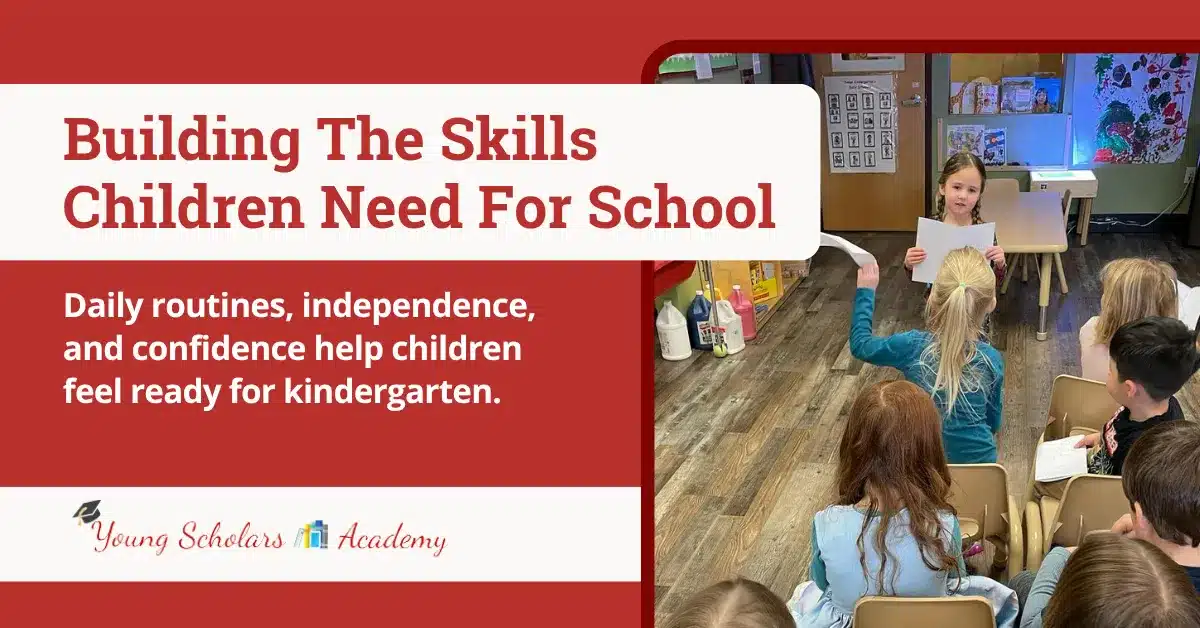
A strong preschool experience helps children develop the skills they need to feel comfortable, capable, and ready for the structure of kindergarten. While early academics are important, school readiness also includes the everyday habits, social awareness, and emotional confidence children use in a classroom setting. A thoughtful preschool program gives children time to practice these skills in a warm, supportive environment where learning feels natural and meaningful.
Confidence With Classroom Routines
Kindergarten introduces children to a more structured day, so preschool helps them become familiar with routines before that transition begins. Children practice moving from one activity to another, listening during group time, cleaning up after play, and following simple multi-step directions. These small daily moments help children understand what to expect in a classroom, which can make kindergarten feel less overwhelming.
Independence In Daily Tasks
School readiness grows when children are encouraged to try age-appropriate tasks on their own. In preschool, children may practice:
- Hanging up their belongings
- Washing their hands
- Opening lunch containers
- Choosing activities
- Asking for help when needed
These experiences build independence while still allowing children to feel supported. Over time, children begin to trust their own abilities and approach new responsibilities with greater confidence.
Social And Emotional Growth
A kindergarten classroom requires children to work, play, and communicate with others. Preschool gives them daily opportunities to share materials, take turns, solve small conflicts, and express their feelings in healthy ways. With guidance from caring teachers, children learn how to use words, manage frustration, and show kindness toward classmates.
Early Learning Habits
Preschool also helps children develop focus, curiosity, and persistence. Through stories, songs, hands-on activities, and guided play, children learn how to participate, ask questions, and stay engaged. These habits support a positive start to kindergarten and help children see school as a place where they are safe, valued, and ready to grow.
Preschool Learning Foundations That Support Early Growth
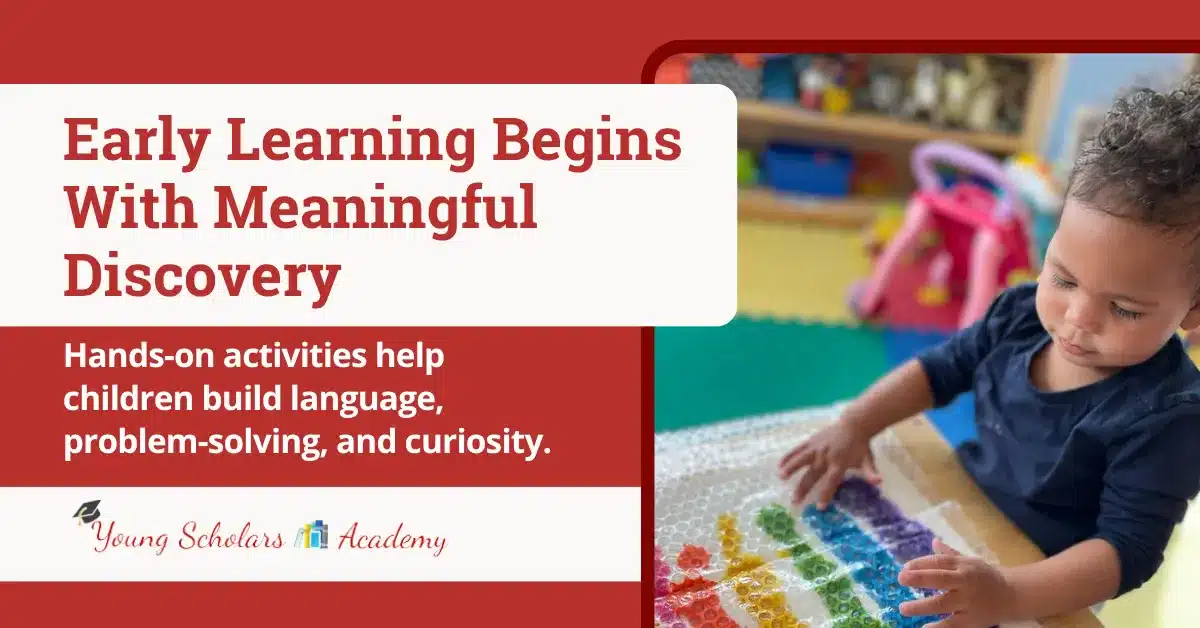
Preschool provides children with the foundational learning they need before entering a more formal school environment. At this stage, children are not expected to master every academic skill. Instead, they are introduced to meaningful experiences that help them understand language, numbers, problem-solving, creativity, and communication in age-appropriate ways. These foundations support confidence and curiosity while helping children see learning as something enjoyable and connected to their everyday world.
Early Literacy And Language Development
Language development begins through consistent exposure to stories, songs, conversations, and classroom discussions. Children build vocabulary by listening, asking questions, sharing ideas, and describing what they see or feel. Teachers may encourage early literacy through:
- Reading aloud each day
- Recognizing letters and sounds
- Practicing rhymes and patterns
- Encouraging storytelling
- Introducing print through labels, books, and name recognition
These experiences help children understand that words carry meaning, which is an important step toward future reading and writing.
Beginning Math And Problem-Solving Skills
Preschool math is often introduced through hands-on activities rather than worksheets. Children may count objects, sort by color or shape, compare sizes, identify patterns, and explore simple concepts such as more, less, same, and different. These activities help children develop logical thinking while keeping learning active and engaging.
Problem-solving also grows through play. When children build with blocks, complete puzzles, experiment with materials, or make choices during center time, they learn how to think critically and try different approaches.
Creativity, Curiosity, And Discovery
A strong preschool program gives children opportunities to explore art, music, science, nature, and imaginative play. These experiences help children express themselves while strengthening their fine motor skills, observation skills, and decision-making.
By building preschool learning foundations through purposeful play and guided instruction, children gain the tools they need for continued growth. They begin to understand how to participate, explore, communicate, and learn with confidence.
Preparing For Kindergarten Success Through Social And Emotional Growth
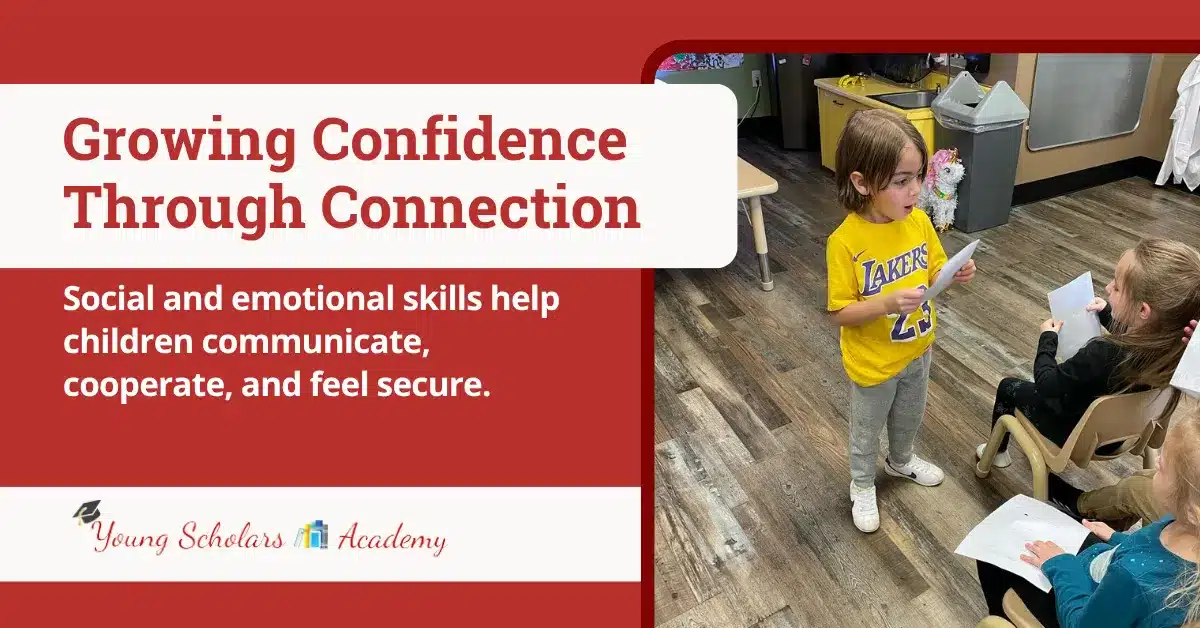
Preparing for kindergarten success involves more than recognizing letters, numbers, and shapes. Children also need the social and emotional skills that help them feel secure, communicate clearly, and participate in a classroom community. Preschool provides a caring environment where children can practice these skills each day with support from trusted teachers.
Learning To Work And Play With Others
In preschool, children spend time with peers in group settings, learning how to share space, materials, and attention. These daily interactions help them understand cooperation and respect. During play, group activities, and classroom routines, children practice important skills such as:
- Taking turns
- Sharing toys and supplies
- Listening to classmates
- Using kind words
- Solving small disagreements
- Waiting patiently
These moments may seem simple, but they prepare children for the social expectations of kindergarten.
Building Emotional Awareness
Young children are still learning how to understand and manage their feelings. A supportive preschool setting gives them the language and guidance they need to name emotions, express needs, and respond to challenges in healthy ways. Teachers may help children recognize when they feel frustrated, excited, nervous, or disappointed, then guide them toward calm and appropriate responses.
This emotional growth helps children become more confident in new situations. When they know how to ask for help, try again after a mistake, or take a break when needed, they are better prepared for the kindergarten classroom.
Developing Positive Relationships
Strong relationships with teachers and classmates help children feel safe and valued. When children trust the adults around them, they are more willing to participate, explore, and take healthy learning risks.
Through encouragement, consistency, and gentle guidance, preschool helps children build the confidence to enter kindergarten with a stronger sense of belonging. Social and emotional development gives them the foundation to learn, connect, and grow successfully.
How Structured Activities Support Daily Learning
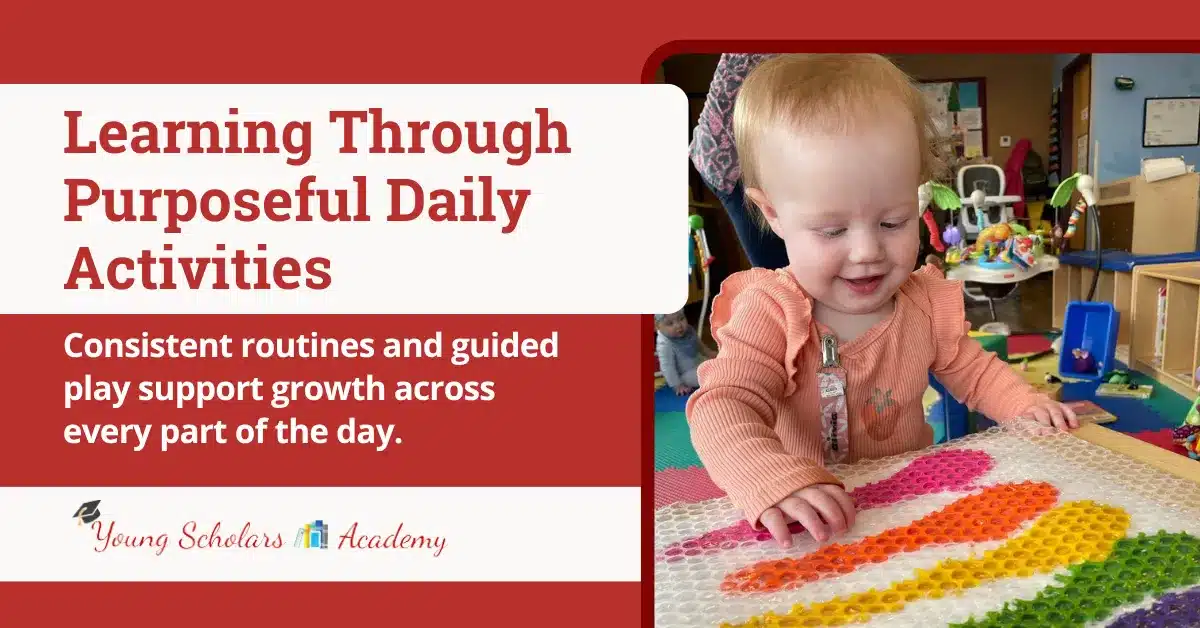
Structured activities help preschool children understand what to expect during the day while giving them meaningful opportunities to practice new skills. A consistent classroom rhythm can make children feel secure, especially as they prepare for the routines of kindergarten. When activities are thoughtfully planned, children learn how to follow directions, participate in groups, transition between tasks, and stay engaged in learning.
Circle Time And Group Learning
Circle time introduces children to the experience of learning together. During this part of the day, children may listen to stories, sing songs, discuss the weather, review the calendar, or talk about a theme. These activities support attention, listening, language development, and confidence in speaking in front of others.
Group learning also helps children practice patience and respect. They learn to wait for their turn, listen when someone else is speaking, and participate as part of a classroom community.
Hands-On Centers And Guided Exploration
Structured activities do not need to feel rigid. In preschool, children often learn best when they can move, touch, build, create, and explore. Learning centers may include:
- Blocks and building materials
- Art and sensory play
- Dramatic play
- Books and quiet reading spaces
- Puzzles and manipulatives
- Science and nature activities
These centers give children choice while still supporting specific developmental goals. Teachers can guide children through questions, observations, and gentle instruction that deepen the learning experience.
Movement, Music, And Outdoor Play
Physical activity is an important part of daily learning. Music, movement games, outdoor play, and gross motor activities help children build coordination, balance, strength, and body awareness. These experiences also support self-regulation by giving children healthy ways to release energy and refocus.
With a balance of structure and flexibility, preschool activities help children build the habits they need for kindergarten. Daily routines create comfort, while purposeful activities encourage growth across academic, social, emotional, and physical development.
Conclusion
A kindergarten-readiness preschool program gives children more than just preparation for the next classroom. It helps them build the confidence, independence, social awareness, and early learning habits that support long-term success. Through caring relationships, consistent routines, hands-on discovery, and meaningful play, children begin to see themselves as capable learners who can participate, communicate, and grow in a school setting.
When children feel safe, supported, and encouraged, they are more prepared to approach kindergarten with curiosity and confidence. The right preschool environment helps each child strengthen important skills at their own pace while giving families peace of mind during this important stage of development.
Ready to learn more about Young Scholars Academy? Contact the team today at (719)522-9099 or visit https://youngscholarsacademycolorado.com/contact-us/ to connect with their caring staff.