 5815 Tutt Center Point - Colorado Springs, CO 80922

Is My Two-Year-Old Normal? Understanding Common Toddler Behaviors That Often Worry Parents
If you’re the parent of a two-year-old, chances are you’ve found yourself wondering:
“Is this normal?”
Maybe your child suddenly says “no” to everything. Perhaps they’re throwing tantrums over seemingly small things, refusing foods they loved last week, or insisting on doing everything themselves.
Take a deep breath.
As early childhood educators, we spend every day with toddlers, and one thing we can confidently tell parents is this: many of the behaviors that feel stressful or concerning are actually signs of healthy development.
Why Two-Year-Olds Seem So Challenging
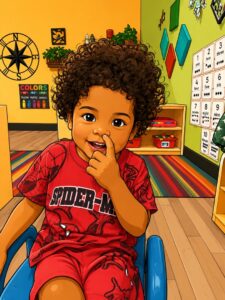
The toddler years are filled with incredible growth. At age two, children are developing language, independence, emotional awareness, and problem-solving skills at an astonishing pace.
The challenge is that their emotions often develop faster than their ability to communicate them.
Imagine having big feelings but not always having the words to explain them. That’s often what life feels like for a two-year-old.
Common Two-Year-Old Behaviors That Are Usually Normal
Saying “No” to Everything
One of the biggest milestones during the toddler years is developing independence.
When your child says “no,” they’re often practicing autonomy and discovering that they have their own thoughts, preferences, and choices.
While it can be frustrating, this is a healthy part of development.
Frequent Tantrums
Tantrums are one of the most common concerns parents bring up.
The good news? Tantrums are typically a normal part of toddler development.
Two-year-olds experience strong emotions but are still learning how to regulate them. A tantrum doesn’t mean you’re doing anything wrong—it often means your child needs support learning how to manage big feelings.
Wanting to Do Everything Themselves
“Me do it!”
If you’ve heard this phrase lately, congratulations—your child is developing confidence and independence.
Whether it’s putting on shoes, pouring water, or climbing into the car seat, toddlers often want to practice new skills even when they aren’t quite ready to master them.
Difficulty Sharing
Many parents worry when their two-year-old doesn’t share well.
The reality is that true sharing is a skill that develops over time. Toddlers are naturally focused on their own experiences and are just beginning to understand other people’s perspectives.
This doesn’t mean they’re selfish—it means they’re learning.
Strong Preferences and Sudden Changes
Your child may love bananas on Monday and refuse them on Tuesday.
They may insist on a specific cup, specific shirt, or specific routine.
These preferences help toddlers feel a sense of control in a world that often feels very big and unpredictable.
When Parents Compare Their Child to Others
One of the biggest sources of stress for parents is comparison.
You may see another child speaking in full sentences while yours uses fewer words. You may know a toddler who sits calmly during story time while yours is constantly moving.
The truth is that child development is not a race.
Children develop skills at different rates, and there is a wide range of what is considered typical development for two-year-olds.
How Preschool Helps Two-Year-Olds Thrive
A high-quality preschool environment provides opportunities for toddlers to:
- Practice social skills with peers
- Build language and communication skills
- Learn routines and expectations
- Explore independence in a safe environment
- Develop emotional regulation with caring adults
At Young Scholars Academy, we understand that the toddler years are filled with both challenges and incredible growth. Our teachers meet children where they are developmentally and help guide them through these important milestones.
When Should Parents Seek Additional Guidance?
While many toddler behaviors are completely normal, parents should always trust their instincts.
If you have concerns about your child’s development, communication skills, hearing, social interactions, or overall growth, speak with your pediatrician. Early support can make a tremendous difference when needed.
The Bottom Line
If your two-year-old is testing boundaries, having big feelings, insisting on independence, and keeping you on your toes, you’re not alone.
In fact, those behaviors are often signs that your child is growing exactly as they should.
The toddler years can be exhausting, but they are also filled with remarkable learning, discovery, and development. Give yourself grace, celebrate the small victories, and remember: many of the things that make two-year-olds challenging are the very things helping them become confident, capable children.
Looking for a Preschool That Understands Toddlers?
At Young Scholars Academy, our experienced teachers help two-year-olds learn, grow, and thrive through hands-on experiences, nurturing relationships, and developmentally appropriate activities. Learn more!
Schedule a tour today and discover how we support children through every stage of early childhood development.
Leave a Reply